


- Prior was +172K (revised to +129K)
- Two-month net revision -74K
- April was +179K
- Unemployment rate 4.2% vs 4.3% expected
- Prior unemployment rate 4.3%
- Unrounded unemployment 4.1889% vs 4.296% prior
- Participation rate 61.5% vs 61.8% prior
- U6 underemployment rate % vs 8.1% prior
- Average hourly earnings +0.3% m/m vs +0.3% expected
- Average hourly earnings +3.5% y/y vs +3.5% expected
- Average weekly hours 34.3 vs 34.3 expected
- Change in private payrolls +49K vs +110K expected
- Change in manufacturing payrolls K vs +3K expected
- Government payrolls +8K vs +32K prior
This is a disappointing report. The unemployment rate is down to 4.2% and that looks good on the headline but it comes with the participation rate falling 0.3 percentage points.
In terms of the breakdown, -55,000 in accommodation/food services is a big surprise given the World Cup. It’s the opposite of what you would expect and what economists were modelling.
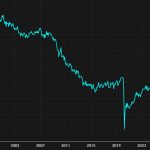
US non-farm payrolls
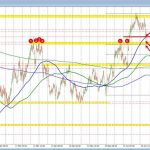
In terms of the market reaction, US 2-year yields are now down 5 bps to 4.11% and that’s led to some heavy US dollar selling with USD/JPY down about 85 pips on the release and trading at 160.79. More broadly, we’re seeing around 40 pips of declines in the dollar.
The stock market likes it though as it basically wipes out the chances of a July rate hike.
Heading into the June non-farm payrolls report, the recent trend has been one of continued job creation alongside a relatively steady unemployment rate and limited movement in broader household-survey indicators. Payroll growth averaged about 188,000 over the three months through May, helped by upward revisions to March and April. That pace was stronger than the more cautious hiring backdrop seen earlier, but the composition of gains has remained uneven.
Job creation has been led by services, with health care, social assistance, leisure and hospitality, and government continuing to provide much of the support. Health care hiring has remained consistent over the past year, while leisure and hospitality saw a stronger pickup in May relative to its prior trend. In contrast, financial activities have been weakening, and transportation and warehousing employment has been below its early-2025 peak.
The unemployment rate has been in a narrow 4.3% to 4.5% range since July 2025. Labor force participation and the employment-population ratio have shown little net movement. Long-term unemployment has been higher than a year earlier, while involuntary part-time employment and the number of people outside the labor force who want a job have been broadly stable.



Leave a Reply