

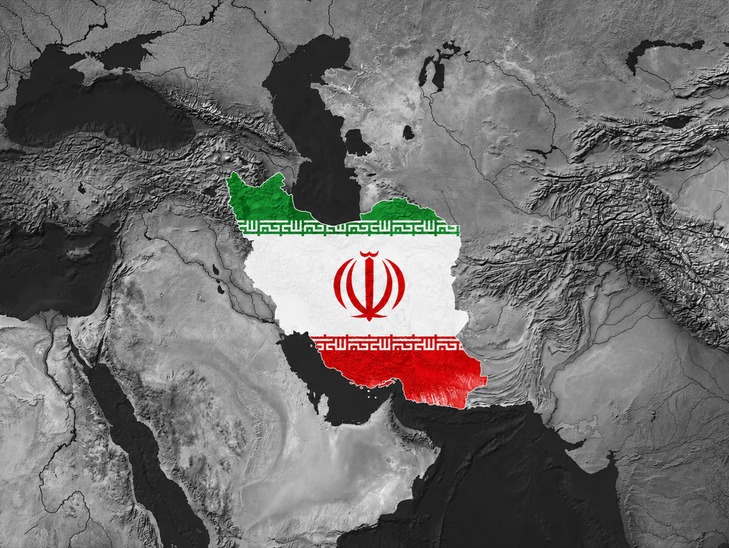
Brent is back above $90, while WTI has topped $80, as transit through the Strait of Hormuz remains far from assured.
Reuters reports that only six vessels passed through the Strait of Hormuz on Monday, well below the 10-day average of around 11, despite statements from Trump and Bessent that “we could reach an agreement today or tomorrow,” which could potentially reopen the path to a broader deal.
The fact that these were little more than verbal interventions aimed at influencing the market highlights the sudden shift in rhetoric: just last week, the White House was saying the conflict was heading toward an end, while on Monday, Trump demanded that Iran compensate those killed and seriously injured in the fighting, and Tehran had previously called on the US to compensate it for damages caused by the conflict.
But the Iran-US cat-and-mouse game is not the only problem. Attacks on oil refineries in Russia and Saudi Arabia are adding to the pressure on global energy markets, with diesel prices in the US and Europe surging in recent days.
Higher energy prices could fuel another wave of inflation and force central banks to keep rates higher for longer, which would be bad news for equities, gold (XAUUSD), and bonds. Basically, we could be looking at 2022 2.0, with the longer the conflict drags on, the bigger the hit to the global economy and financial markets.
For now, strategic reserves are keeping oil prices from breaking decisively above $100 a barrel, but they are not unlimited. US strategic petroleum reserves, for example, have already fallen below 300 million barrels, their lowest level since 1983, from around 415 million barrels as of February 28. Stockpiles are also declining in Japan and China, with global oil inventories reportedly being depleted at around 6.3 million barrels per day.
Now the problem is that even if the White House, with the US midterm elections approaching, pushes harder for a deal and the Strait of Hormuz reopens, Iran seems pretty serious about charging an extra fee for passage, which would still push up logistics costs and, ultimately, inflation.
Thus, unless the US and Iran reach a deal that includes the unconditional reopening of the Strait of Hormuz, inflation is unlikely to ease anytime soon. For investors, that probably means maintaining appropriate hedges and defensive positions still makes sense.


Leave a Reply