


- Prior was +1.3% m/m
- PPI y/y 14.5% vs 13.5% prior
- Raw materials price index 4.8% m/m vs 3.3% prior
- Raw materials price index 27.0% y/y vs 22.9% prior
The market is pricing in an 80% chance of a Bank of Canada rate hike on October 28. This week’s CPI number was on the low side but this data point highlights the inflation in the pipeline.
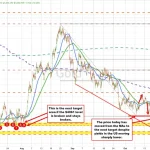
USD/CAD is down 10 pips to 1.4035 today and that highlights how the dynamic in the FX market has totally flipped. S&P 500 futures are down 0.9% but the market sees it as money fleeing the US AI trade, not a traditional ‘risk off’.
For background, Canada’s producer price data come in two monthly reports from Statistics Canada: the Industrial Product Price Index (IPPI) and the Raw Materials Price Index (RMPI). They’re typically released together at 8:30 am ET, a few weeks after the reference month ends.
The IPPI measures prices that Canadian manufacturers receive for goods as they leave the factory gate, covering everything from refined petroleum and lumber to metals, chemicals, food products and motor vehicles. The RMPI tracks the prices manufacturers pay for raw materials, including crude oil, metal ores, logs, grains and livestock. Many of those inputs aren’t produced in Canada, so the RMPI is effectively a gauge of global commodity costs flowing into Canadian industry.
The headline figures are the monthly and annual changes in each index, and neither is seasonally adjusted. Because energy dominates, StatCan also publishes the IPPI excluding energy and petroleum products, which gives a cleaner read on broader factory-gate pricing.
The Canadian dollar is a big driver. Many Canadian exports, such as lumber, metals and energy, are priced in US dollars, so a weaker loonie raises the Canadian-dollar value of those goods and lifts the IPPI. A stronger loonie does the opposite. Some swings in the index reflect currency moves rather than any change in underlying pricing pressure.
Unlike the US PPI, the Canadian reports cover only goods and don’t feed into a preferred inflation gauge, so they rarely move markets. They’re mainly watched as an early signal of cost pressures that could eventually reach consumer prices, and of how commodity swings and tariffs are hitting Canadian producers’ margins.




Leave a Reply