
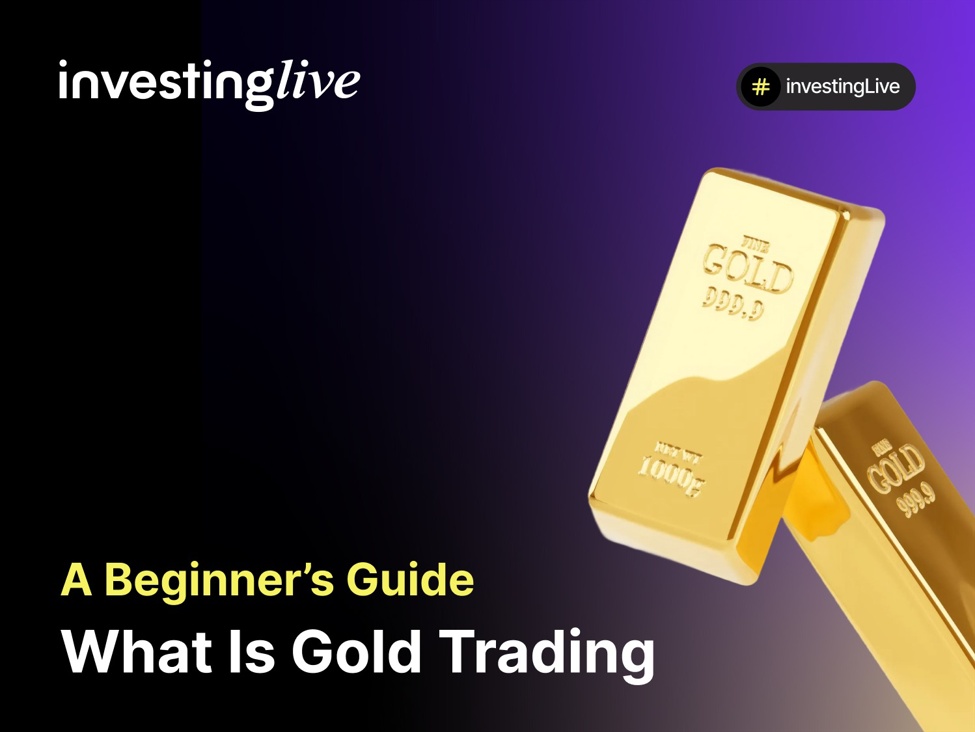
Introduction: What Is Gold Trading?
Gold trading involves buying and selling gold to earn money based on price changes in the market. This differs from simply owning gold in forms like jewelry or bars. When you trade gold, you can try to make money from short-term price movements or use gold to protect your investments against inflation and economic problems.
Gold has long been regarded as a reliable asset. People often turn to gold when equity markets are unstable or when currencies are losing value. There are several methods to trade gold, such as:
-
Spot gold: Buying and selling based on the current market price.
-
Gold futures and options: Contracts that agree to buy or sell gold at a specific price in the future.
-
Gold CFDs (Contracts for Difference): A way to speculate on gold prices without actually owning gold.
-
Gold ETFs (Exchange-Traded Funds): Funds that track the price of gold and can be traded on market exchanges.
-
Gold mining stocks: Shares in companies that mine for gold.
Example: If you think the price of gold will go up because of global uncertainty, you might buy a gold CFD at $1,900 per ounce. If the price rises to $1,950, you can sell it for a profit.
Gold trading is popular among both beginners and experienced traders because it combines the reliability of a valuable asset with the price fluctuations of modern markets.
Why Gold Is Important in Financial Markets
Gold has a special role in the global economy. It is valued not only for practical uses but also as a way to store wealth and protect against risk. Here are some reasons why gold is important:
-
Safe-Haven Asset: When there are economic troubles or political issues, investors often buy gold because it tends to keep its value when other investments, like stocks, go down.
-
Hedge Against Inflation: Gold helps protect your purchasing power during inflation. When inflation rises and money loses value, gold prices usually go up as investors look for stability.
-
Central Bank Reserves: Many central banks around the world keep gold as part of their reserves, showing that it is a trusted store of value.
-
Inverse Relationship with the US Dollar: Gold is priced in US dollars. When the dollar weakens, gold becomes cheaper for buyers in other countries, which can increase its demand and price.
-
Diversification Tool: Including gold in your investment portfolio helps spread risk. It often behaves differently than equities and bonds.
Example: During the 2008 financial crisis, gold prices went up as investors moved their money from risky financial markets to safer assets.
Tip for beginners: Remember that while gold is a safe investment in the long run, its price can still change quickly due to news events, central bank decisions, or changes in global demand.
Ways to Trade Gold
There are several ways to trade gold, each with its own advantages and risks based on your goals and experience level.
Example: For example, a trader may use gold CFDs for short-term trades, while a long-term investor may choose gold ETFs or physical gold.
Why Trade Gold? (Advantages)
Gold trading has several benefits that make it appealing for both beginners and experienced traders:
-
Safe-Haven Appeal: Gold often increases in value during financial instability, helping protect against market declines and currency weaknesses.
-
Portfolio Diversification: Including gold in your investments can lower overall risk because it often behaves differently than stocks and bonds.
-
High Liquidity: Gold is one of the most traded assets globally, ensuring quick trades and tight price spreads.
-
Volatility for Traders: While gold is stable over the long term, it can have significant short-term price changes, creating opportunities for traders.
-
Multiple Trading Options: From physical gold to futures, ETFs, CFDs, and mining stocks, traders can choose the method that best suits their strategy and risk tolerance.
-
Inflation Hedge: Gold usually retains its value over time, making it a popular way to protect against inflation.
Example: When inflation is high or the US dollar is weak, gold often sees increased demand, which pushes its prices higher.
Risks of Trading Gold
Even though gold is considered a safe investment, trading it comes with risks that beginners should be aware of:
-
Price Volatility: Gold prices can change quickly due to global events, central bank policies, or shifts in investor sentiment.
-
Leverage Risk: In CFDs or futures trading, leverage can increase both potential profits and losses. A small price move against your position can lead to significant losses.
-
Market Timing Challenges: While gold is a long-term investment, short-term trading requires precise timing. Misjudging when to buy or sell can lead to losses.
-
Geopolitical and Economic Events: Unexpected events like wars or natural disasters can cause unpredictable price changes.
-
Broker and Product Risk: Not all brokers or financial products are created equal. Using unregulated brokers or funds with high fees can reduce your returns.
-
Opportunity Cost: Money invested in gold does not earn income (like dividends or interest). If the value of gold does not increase, other investments may yield better returns.
Example: A trader opens a leveraged gold CFD position at $1,900 per ounce, expecting prices to rise. If gold drops to $1,880, that $20 decrease could lead to a significant loss, especially with leverage.
Factors That Influence Gold Prices
Gold prices are affected by various global economic, political, and market factors. Understanding these can help traders predict price movements:
-
Inflation and Interest Rates: High inflation usually raises gold prices as investors look for protection. Rising interest rates can lower gold prices since other investments become more appealing.
-
US Dollar Strength: Gold is priced in US dollars. A weaker dollar generally supports higher gold prices, while a stronger dollar can lower gold prices.
-
Central Bank Policies: Central banks buy and hold gold as reserves. Their large purchases or sales can impact prices. Their interest rate policies also affect gold demand.
-
Geopolitical Events: Events like wars or financial crises can increase gold demand as investors seek safety.
-
Supply and Demand: The quantity of gold extracted and the demand for jewelry, particularly in nations like India and China, can influence long-term trends in value.
-
Market Sentiment: Traders’ perceptions of risk and economic health can rapidly alter gold demand, causing price volatility.
Example: For instance, if inflation increases and the US dollar weakens, gold’s value usually rises as investors seek protection from these risks.
How to Start Trading in Gold – Step by Step
Starting with gold trading is easy if you follow these steps:
-
Learn the Basics: Understand how gold markets operate, various methods for trading gold (such as CFDs, futures, ETFs, or physical gold), and the associated risks.
-
Choose a Regulated Broker: Find a broker that is licensed by a trusted regulator (like FCA, ASIC, or CySEC) and offers gold trading through your preferred method (CFDs, futures, or ETFs).
-
Open and Fund Your Account: Register with the broker, verify your identity, and deposit money into your account. Start with an amount you can afford to lose.
-
Select a Trading Platform: Most brokers offer platforms like MT4, MT5, or their own. Make sure the platform has good charting and risk management tools.
-
Practice With a Demo Account: Before trading with real money, use a demo account to practice analyzing charts, placing trades, and managing risk.
-
Analyze the Market: Use both:
-
Fundamental analysis: Look at factors like inflation, interest rates, dollar strength, and central bank policies.
-
Technical analysis: Study charts and indicators to identify support and resistance levels.
-
Place Your First Trade:
Beginner Tip: Always use stop-loss and take-profit orders to help manage your risk.
-
Monitor and Adjust: Keep track of your trades, review your results, and refine your strategy over time.
Beginner Tip: Start small, using micro lots or ETFs to gain exposure without risking too much money.
Brief Glossary of Terms Related to Gold Trading
-
Spot Gold: The current market price of gold for immediate buying or selling.
-
Futures Contract: An agreement to buy or sell gold at a set price on a future date.
-
Gold CFD (Contract for Difference): A financial product that allows traders to speculate on gold price changes without owning the actual gold.
-
Gold ETF (Exchange-Traded Fund): A fund that tracks the price of gold and can be traded on stock exchanges.
-
Mining Stocks: Shares in companies that explore and produce gold.
-
Leverage : Borrowed money that allows traders to control larger positions with a smaller amount of money, increasing both risk and potential reward.
-
Margin: The minimum amount of money required to open a leveraged position.
-
Safe-Haven Asset: An investment like gold that people turn to during uncertain times in the market.
-
Hedging: Using gold or other investments to reduce risk from other investments.
-
Volatility: How much and how quickly gold prices change over time.
Gold Trading Examples
Here are a few scenarios to illustrate how gold trading works in real life:
Example 1: A Profitable Gold CFD Trade
-
Setup: You expect gold prices to rise.
-
Action: You buy 1 lot of gold CFDs at $1,900 per ounce. Each lot equals 100 ounces.
-
Outcome: Gold rises to $1,920.
-
Result: Profit = $20 × 100 = $2,000.
Example 2: A Losing Futures Trade
-
Setup: You sell a gold futures contract at $1,950, expecting prices to fall.
-
Action: The price rises to $1,970.
-
Outcome: Loss = $20 × 100 = $2,000.
Example 3: Hedging With Gold
-
Setup: A shareholder is worried that inflation will hurt their portfolio returns.
-
Action: They purchase a gold exchange-traded fund to hedge against this risk.
-
Outcome: If inflation rises and stock prices fall, gold typically increases in value, helping to offset some losses in the investment portfolio.
Lesson: Gold can be used for both short-term trading and long-term risk management, but using leverage and dealing with volatility can quickly change your results.
Final Thoughts / Next Steps
Gold has been a reliable store of value for many years, and it continues to be a popular asset for market participants. Whether you trade gold through CFDs, futures, ETFs, or physical gold, it offers unique opportunities for making money, diversifying your investments, and protecting against risks.
However, like any market, engaging in gold transactions comes with risks. Prices can be volatile in the short term, and using leveraged products like CFDs or futures can lead to significant losses just as easily as they can lead to gains.
Here’s a good approach for beginners:
-
Start with education: Learn how gold markets react to inflation, interest rates, and global events.
-
Practice first: Use demo accounts before risking real money.
-
Use proper risk management: Always set stop-loss orders and start with small trades.
-
Diversify wisely: Consider using gold as part of a broader investment strategy.
-
Choose a regulated broker: Ensure you have safe access to gold markets.
-
With the right preparation and discipline, gold can be a valuable asset to invest in, offering both safety and opportunities.
Legal Disclaimer
This content is for educational purposes only. It does not constitute financial advice or a recommendation to buy or sell any security, commodity, or derivative. Trading gold involves risks. Past performance is not indicative of future results. Always verify broker licensing with official regulatory bodies before opening an account.
Continue Your Trading Journey
If you want to deepen your trading knowledge, check out our next guide, “What Is a Broker – A Beginner’s Guide.” This guide explains what brokers do, how they work, and what to consider when choosing a trustworthy one.
If you’re ready to start trading gold, picking the right broker is crucial. Visit our “Best Gold Trading Brokers of 2025” page for a comparison of trusted, regulated brokers that can help you access gold markets.
Beginner FAQ
Is gold trading good for beginners?
Yes, gold can be a good starting point because it is widely followed and has high liquidity. However, leveraged products like CFDs and futures involve high risks, so beginners should start with small positions or practice on demo accounts.
Is investing in gold profitable?
It can be profitable, but your success depends on your trading strategy, risk management, and market conditions. Many traders make money by taking advantage of gold’s price changes, while long-term investors use it to protect against inflation.
Is gold trading halal or haram?
Opinions vary among scholars. Generally, spot gold trading with immediate settlement is considered halal, while leveraged or speculative trading (like CFDs or futures) may be considered haram due to interest or excessive speculation. Consult a trusted religious advisor if this is a concern.
What exactly does someone who buys and sells gold do?
A gold trader buys and sells gold in different forms (like spot, futures, CFDs, ETFs, or mining stocks) to profit from price changes. Some traders focus on short-term price movements, while others invest in gold for the long term.
What influences gold prices?
Gold prices are influenced by inflation, interest rates, the strength of the US dollar, central bank policies, geopolitical events, and global demand, especially from countries like India and China.
Can I engage in gold trading 24/7?
Gold is traded nearly 24 hours a day, five days a week, across global markets. Some CFD brokers also offer weekend trading for gold.
What is the minimum amount needed to trade gold?
It depends on the method:
-
ETFs or mining stocks: Can be bought with small investments.
-
CFDs and futures: Require higher margin deposits, ranging from a few hundred to several thousand dollars.
Is buying and selling gold better than investing in it?
Trading gold involves short-term speculation with higher risks and potential rewards. Investing in gold typically means holding it long-term (through ETFs or physical gold) for stability and protection.
Do I need a specific account to buy and sell gold?
Yes, you need a broker that offers access to gold markets through CFDs, futures, ETFs, or physical gold. Always trade with a regulated broker.
Can I short gold?
Yes, with derivatives like CFDs or futures, you can take a short position and profit if gold prices go down.




Leave a Reply