

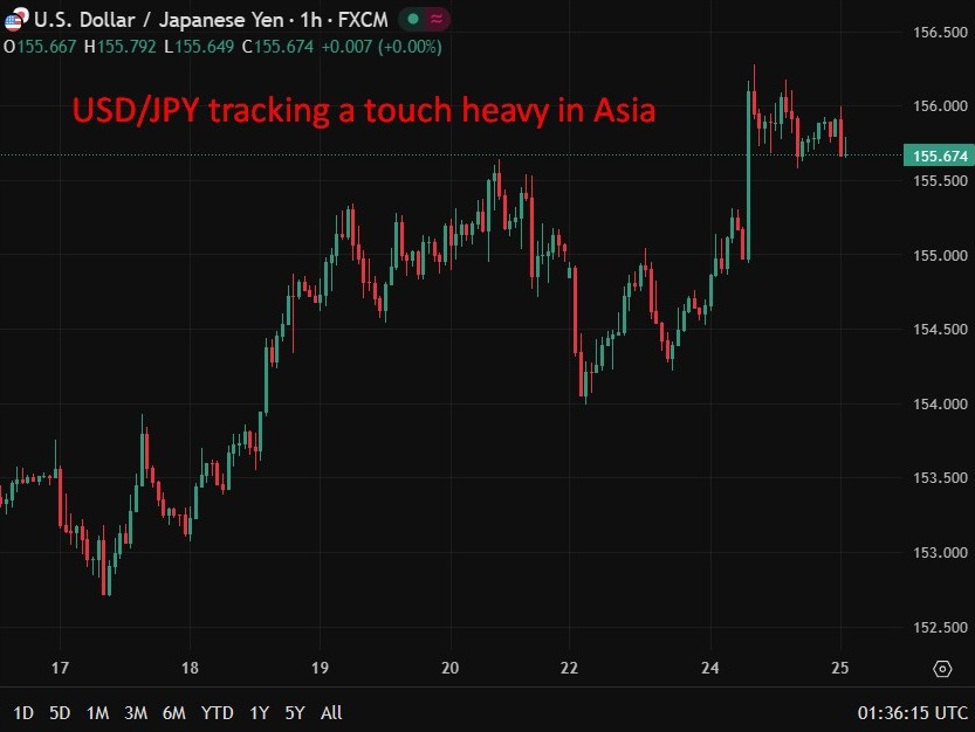
Japan’s services inflation stayed sticky at 2.6%, reinforcing wage pass-through risks and keeping the BOJ on a tightening bias.
Summary:
-
Corporate services prices +2.6% y/y in January, unchanged from December’s 2.6%
-
Construction and temp staffing drove increases
-
Gauge supports view of wage-driven inflation persistence
-
BOJ ended stimulus in 2024
-
Policy rate lifted to 0.75% in December
-
Next hike timing hinges on wage pass-through
Japan’s services-sector inflation held steady in January, reinforcing the Bank of Japan’s view that wage-driven cost pressures are still filtering through the economy and keeping the door open to further rate hikes.
The corporate services price index (often viewed as a leading gauge of services inflation) rose 2.6% year-on-year in January, unchanged from December, according to Bank of Japan data. The index tracks the prices firms charge each other for services, offering a timely read on whether higher labour costs are being passed along through service supply chains.
The January increase was led by higher charges for construction-related services and temporary staffing, both areas that tend to be sensitive to labour-market tightness and wage trends. With Japan still facing capacity constraints in parts of the workforce, the steady print suggests price-setting behaviour remains consistent rather than easing quickly.
The data lands in a policy environment that has shifted meaningfully since the BOJ exited its decade-long stimulus framework in 2024. The central bank lifted short-term interest rates to 0.75% in December as it judged Japan was moving toward durably achieving its 2% inflation goal. Consumer inflation has now been above 2% for nearly four years, and the BOJ has signalled it is prepared to keep tightening if inflation continues rising in a steady way alongside sustained wage gains.
Governor Kazuo Ueda has emphasised close monitoring of whether companies continue passing on higher labour costs, as that transmission mechanism is central to deciding the timing of the next move. A steady services-price signal at 2.6% supports the narrative that wage pressures remain present, even if the pace is not accelerating, and will keep markets sensitive to upcoming wage and price indicators.
There may be a hiccup in the rate hike path though:


Leave a Reply