

Crude oil is higher to start the day, and that shift is weighing on broader risk sentiment. US stocks are lower, US yields are higher, and the USD is firmer, reflecting the market’s reaction to rising energy prices and lingering geopolitical uncertainty.
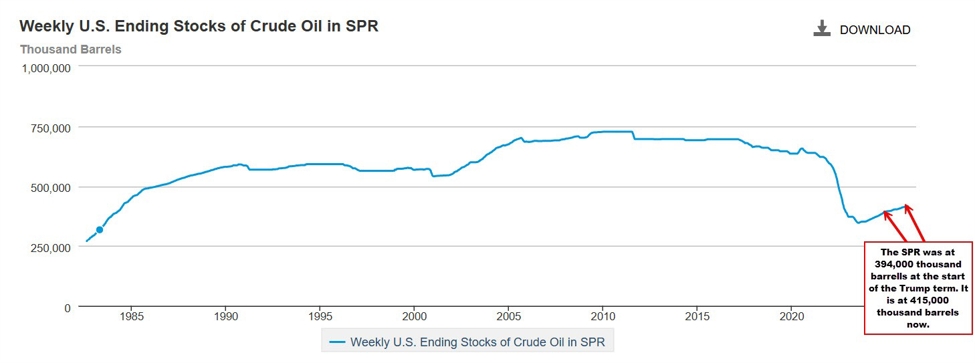
At the bottom of the hour, G7 officials are scheduled to meet to discuss oil reserves, with chatter in the market about a coordinated release to help ease supply concerns. The Trump administration has indicated it is not currently considering a release from the Strategic Petroleum Reserve (SPR). Despite criticism of the Biden administration for drawing down reserves, the current administration also did not rebuild the SPR when crude prices dipped near $55, leaving reserves relatively low. Even so, any coordinated release could provide temporary relief, as markets are clearly searching for catalysts that might ease the pressure from rising oil prices.
On the economic calendar, data is light today. The only notable release is the US Employment Trends Index at 10:00 AM, which largely repackages previously released labor market data, including Friday’s weaker-than-expected nonfarm payrolls report. Last month’s index came in at 105.06.
Meanwhile, the Federal Reserve is now in its blackout period ahead of the March 18 FOMC meeting. The base case remains no change in policy, as officials remain concerned about inflation risks—particularly if higher oil prices feed into broader price pressures. The counterargument is that elevated energy costs could also act as a tax on growth, slowing economic momentum in the months ahead.
From a technical perspective, the EURUSD extended its decline to a new low for the year and the lowest level since November, reaching 1.1508. Below that, the next downside targets come in at 1.1490 and 1.14678, both lows from November. On the topside, 1.1554 to 1.1576 represents the first key resistance zone.
The USDJPY surged to 158.89, testing a key swing area from January. That move brings the pair closer to the January 23 high at 159.216, a level that remains a major technical hurdle. The pair has since pulled back slightly heading into the US session, with support seen at 158.36 followed by the 158.00 level.
The GBPUSD followed a similar path to the EURUSD early in the session, falling below a swing area between 1.32979 and 1.33058. The pair reached a low of 1.3282 before rebounding back above that zone. Momentum has since shifted modestly higher, with price breaking above the falling 100-hour moving average at 1.33436. That level now becomes a key barometer for buyers and sellers. If the upside momentum continues, traders will look toward 1.3375 (38.2% retracement), the 100-day moving average at 1.33946, and the falling 200-hour moving average at 1.34058 as the next resistance targets.




Leave a Reply