

Summary:
-
UK consumer spending grew modestly in February, rising 1.1% year-on-year, highlighting fragile household demand.
-
Sentiment weakened as the Middle East conflict raised fears of higher fuel prices, energy bills and inflation.
-
Retail sales growth slowed sharply, with wet weather and cautious spending weighing on the high street.
-
Meanwhile, private sector pay awards accelerated to 3.4% in the three months to January.
-
The pickup in wage settlements suggests cost-of-living pressures remain persistent despite easing inflation in 2025.
-
The combination of resilient wage growth and geopolitical inflation risks could complicate the Bank of England’s policy outlook.
UK consumer spending expanded modestly in February but remained subdued overall as households became increasingly cautious amid rising geopolitical tensions and concerns about inflation.
Data from Barclays showed consumer card spending rose 1.1% year-on-year in February, slightly stronger than the 0.8% increase recorded in January. Despite the improvement, spending momentum remains weak by historical standards as households continue to grapple with cost-of-living pressures and uncertainty surrounding the economic outlook.
Consumer sentiment deteriorated during the month, with the escalation of the conflict in the Middle East weighing heavily on expectations for inflation and household finances. A large majority of consumers surveyed expressed concern that the conflict could lead to higher fuel prices, increased energy bills and renewed inflation pressures.
These fears appear to be influencing behaviour. Many households reported taking precautionary steps such as reducing energy usage, increasing savings and postponing large purchases. More than half of respondents also expressed concern that the conflict could disrupt travel plans.
While overall spending remained soft, spending on discretionary items showed some resilience, rising to a six-month high as consumers selectively increased purchases in certain categories.
Retail sector data painted a similarly cautious picture. Figures from the British Retail Consortium showed sales growth at large retailers slowed to 1.1% year-on-year in February, sharply down from 2.7% in January and well below the 12-month average pace. Online non-food sales also declined, suggesting consumers remain restrained in non-essential spending.
At the same time, wage developments suggest inflationary pressures may not have fully eased. A separate survey showed private sector pay awards rose to 3.4% in the three months to January, up from 3.0% previously. The increase was partly driven by companies offering a greater share of pay rises in the 3–4% range, particularly across manufacturing, production and services sectors.
Across the broader economy, pay settlements averaged 3.2%, indicating wage growth remains relatively firm.
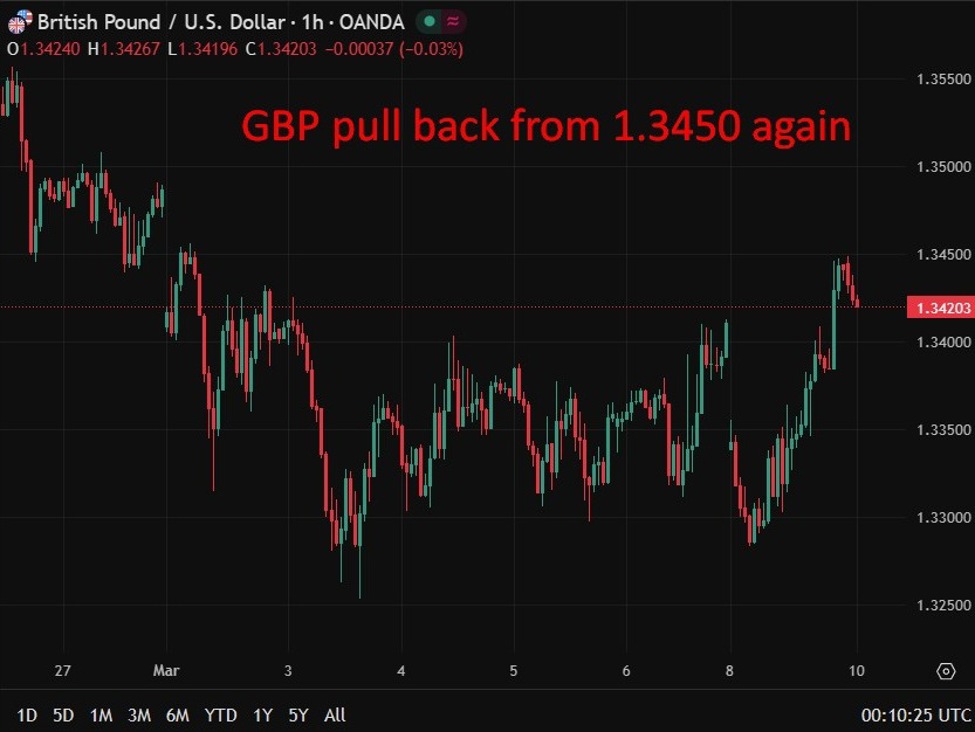
For policymakers at the Bank of England, the combination of cautious consumer spending and resilient wage settlements presents a mixed picture. While weak retail activity signals fragile demand, persistent wage growth alongside geopolitical risks to energy prices could sustain inflation pressures and complicate the outlook for interest rates.
Bank of England




Leave a Reply