

Summary:
- FT reports (gated) broker for US Defence Secretary Hegseth explored defence ETF investment pre-Iran strike
- Morgan Stanley approached BlackRock over multimillion-dollar allocation
- Target fund focused on defence contractors benefiting from rising military spending
- Investment did not proceed due to platform availability constraints
- Timing likely to raise scrutiny given Hegseth’s central role in Iran campaign
- No suggestion of wrongdoing, but optics likely to draw attention
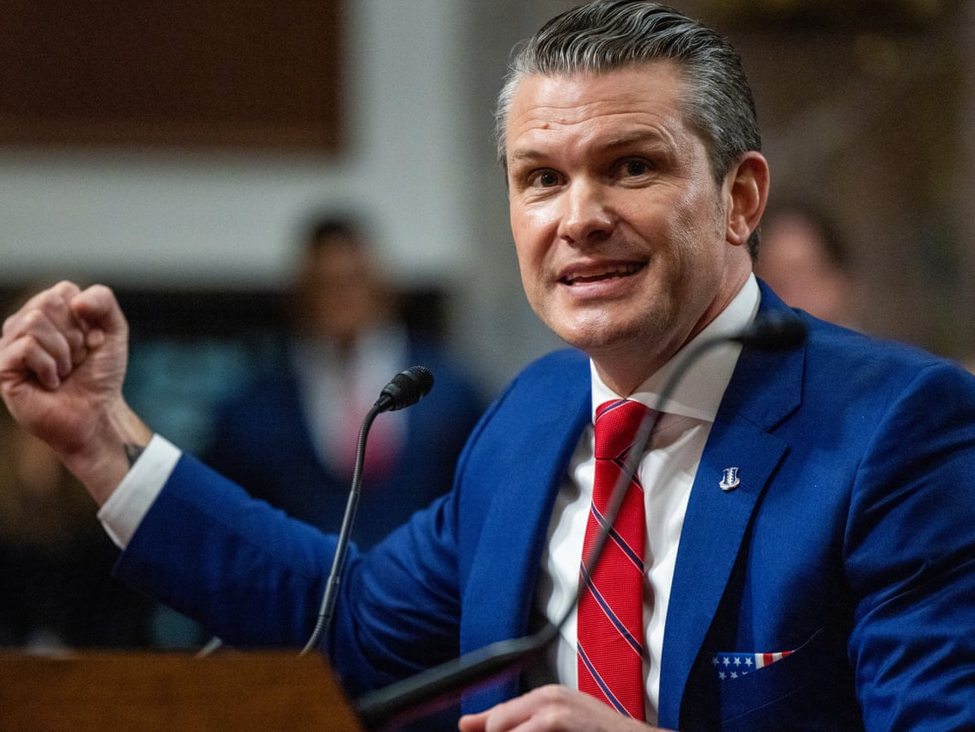
A broker acting for US Defence Secretary Pete Hegseth explored a multimillion-dollar investment in a defence-focused exchange-traded fund in the weeks leading up to the US-Israeli military campaign against Iran, according to a Financial Times report.
The broker, at Morgan Stanley, is said to have approached BlackRock in February regarding a potential allocation into its Defense Industrials Active ETF, a fund designed to capture growth opportunities in companies benefiting from increased defence spending. The inquiry was flagged internally at BlackRock, according to people familiar with the matter, although the investment ultimately did not proceed.
The ETF in question holds major US defence contractors, including RTX, Lockheed Martin and Northrop Grumman, alongside data and defence technology firms such as Palantir. These companies are closely tied to US government spending and are often viewed as beneficiaries of rising geopolitical tensions and military activity.
The transaction did not go ahead as the fund was not yet available for purchase through Morgan Stanley’s platform at the time. It remains unclear whether alternative defence-related investments were subsequently pursued.
The reported approach comes as Hegseth has played a prominent role in shaping US policy toward Iran and has been among the most vocal proponents of military action. The timing of the investment interest, shortly before the launch of strikes, is likely to attract scrutiny, particularly given the direct link between defence sector performance and government policy decisions.
While there is no indication of any wrongdoing, such situations often raise questions around the intersection of public office and financial market exposure, especially in sectors directly influenced by geopolitical developments.
The report also reflects a broader trend of heightened attention on trading activity ahead of major policy or military decisions, as markets increasingly respond to geopolitical catalysts in real time.



Leave a Reply