

The Pentagon is in talks with US automakers and manufacturers to boost weapons production as conflicts in Ukraine and Iran deplete stockpiles, in a push to expand the defence industrial base, WSJ reports.
Summary:
- The Pentagon is exploring partnerships with major US manufacturers, including automakers, to boost weapons production.
- Talks with companies like GM and Ford are preliminary but reflect growing concern over depleted munitions stockpiles.
- The push is framed as a national security priority, with officials seeking to expand the defence industrial base.
- Conflicts in Ukraine and Iran are accelerating the need for increased production capacity.
- The initiative echoes WWII-style industrial mobilisation and a broader “wartime footing” for manufacturing.
- Challenges include contracting hurdles and how quickly commercial firms can pivot to defence output.
The Pentagon is in early-stage discussions with major US manufacturers, including leading automakers, as it looks to expand weapons production capacity amid mounting strain on military stockpiles, according to a Wall Street Journal (gated) report.
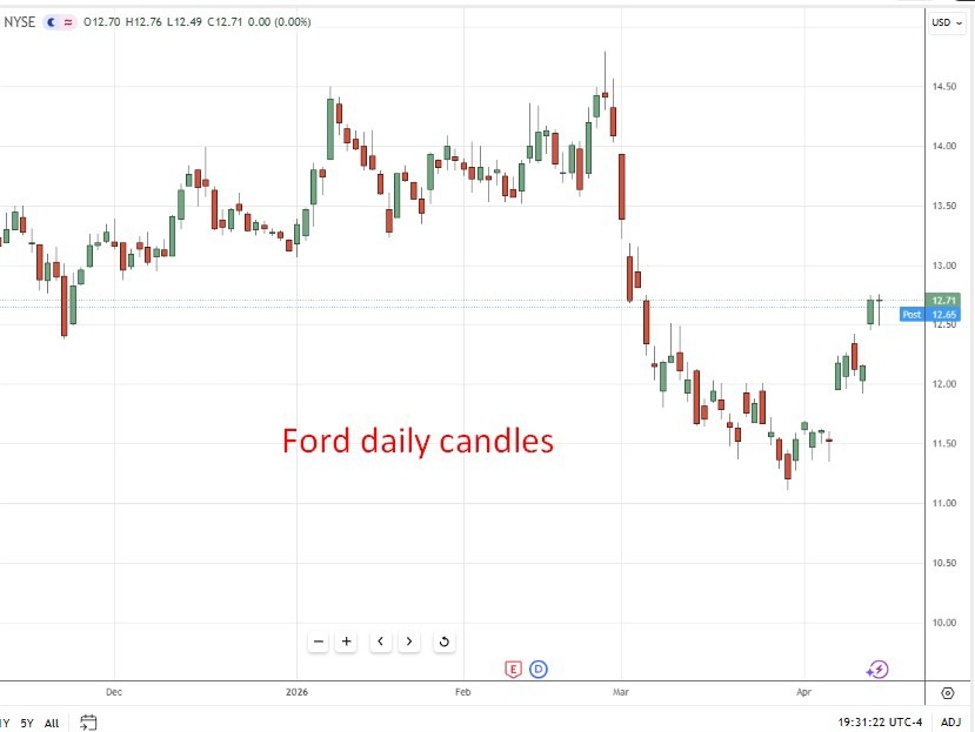
Senior defence officials have engaged executives from companies such as General Motors and Ford, as well as industrial groups including GE Aerospace and Oshkosh, to explore whether commercial manufacturing capabilities can be redirected toward defence needs.
The outreach reflects growing concern within the US government that existing defence contractors alone may not be sufficient to meet rising demand for munitions and military hardware. Prolonged conflicts in Ukraine and Iran have accelerated the depletion of weapons inventories, increasing urgency around scaling up production.
Officials are seeking to understand how quickly manufacturers could shift capacity toward defence output and what obstacles they might face, including procurement rules and contracting complexity. The discussions remain broad and exploratory, but signal a strategic effort to tap into America’s wider industrial base.
The initiative is part of a broader push by the Trump administration to place US military production on what has been described as a “wartime footing.” It also revives a historical model of industrial mobilisation, drawing comparisons to World War II when US automakers pivoted from civilian production to military equipment as part of the “Arsenal of Democracy.”
While some large manufacturers already maintain limited defence-related operations, their involvement is typically narrow in scope. Expanding their role would represent a significant shift in how the US defence sector sources production capacity, potentially increasing resilience but also introducing new coordination challenges.
The Pentagon’s latest budget request—its largest on record—underscores the scale of the effort, with substantial investment planned for munitions and emerging technologies such as drones and counter-drone systems.
Ultimately, the success of this strategy will depend on whether commercial firms can integrate into defence supply chains quickly enough to address current shortages while maintaining efficiency in their core businesses.
AI image
Signals potential upside for US industrials and defence-adjacent sectors, with broader manufacturing pulled into military supply chains. Highlights sustained demand for munitions and defence hardware amid prolonged geopolitical tensions.





Leave a Reply