

- Some of global economy resilience to US-Iran war is due to inventories
- Second-round effects of energy price shock won’t show up for another year
- We should not be looking through negative supply shocks
- Proof of wage, price reaction to shocks has shifted
- Central banks must proactively push back
- Negative supply disruption is a real nightmare for central banks
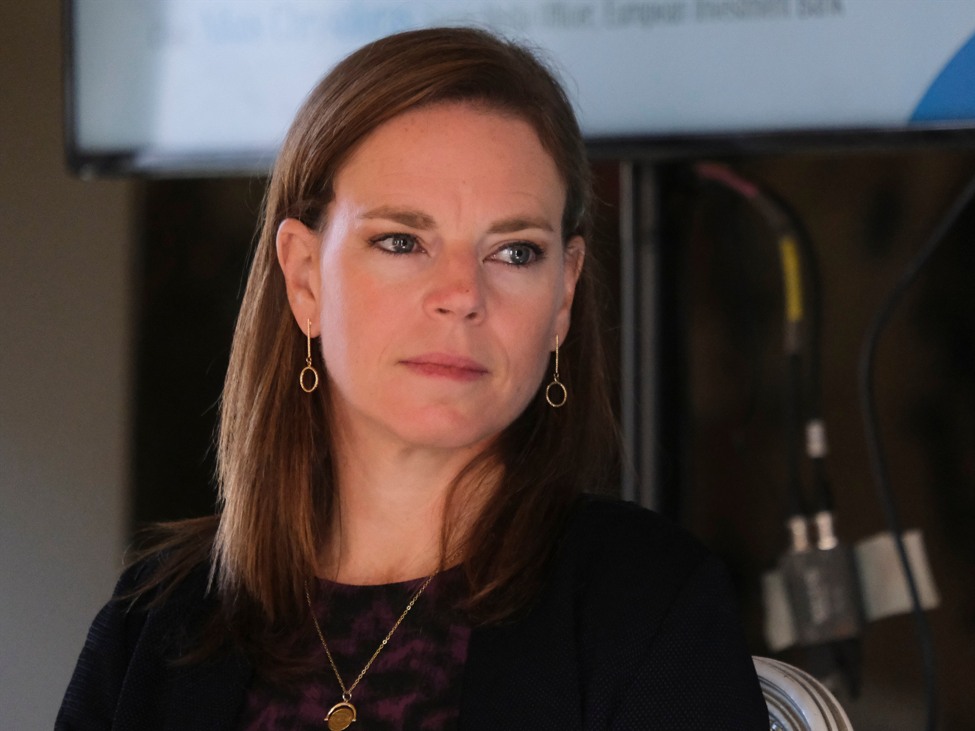
BoE’s Greene warns that the pause should not be mistaken for complacency, suggesting that an interest rate hike may be necessary in the coming months.
She noted that while the global economy has shown resilience, this stability is supported by inventories. She warned that second-round effects of the energy price shock are fundamentally lagging indicators that will likely not fully materialize in consumer price indices and broader economic data for another year.
This lag creates a deceptive environment for monetary policy, leading to what Greene describes as a real nightmare for central banks. A negative supply disruption of this scale forces policymakers to confront a highly toxic economic trade-off: slowing domestic growth paired with surging cost-push inflation.
Greene argues that traditional doctrine, which dictates that central banks should simply look through temporary supply-side shocks and avoid raising rates into a slowing economy, could be a mistake. She stressed that because the global economy has been battered by three successive negative supply shocks over the last five years, the cumulative damage has structurally altered how businesses and consumers react to rising costs.
According to Greene, evidence regarding the reaction of wages and prices to macroeconomic shocks has fundamentally shifted. Rather than treating an energy crisis as a transitory event, workers and companies are now preemptively adjusting their wage demands and pricing strategies to protect themselves against persistent inflation. This behavioral shift risks cementing a wage-price spiral that could de-anchor inflation expectations permanently from the central bank’s target.
Greene believes that central banks cannot afford to sit back. Instead, she thinks policymakers should proactively push back against these emerging pressures, even if it means tightening monetary policy into an already softening domestic labor market and weak GDP environment.
At the moment, traders are pricing a 43% chance of a rate hike in June, which rises to 72% in July. The total tightening expected by year-end stands around 65 bps.




Leave a Reply