
- Iran not to restore Hormuz Strait status to pre-war level
- Framework text nearly finalized
- Text awaits final decision
- Under the MoU with the US, Iran makes no commitment regarding the transfer of management of the Strait of Hormuz
- The future administration of the strait will be resolved as a regional matter through dialogue and joint decision-making between Tehran and Oman
- No agreement is made regarding the nuclear file in the current memorandum
- Nuclear talks will take place within a 60-day period after signing
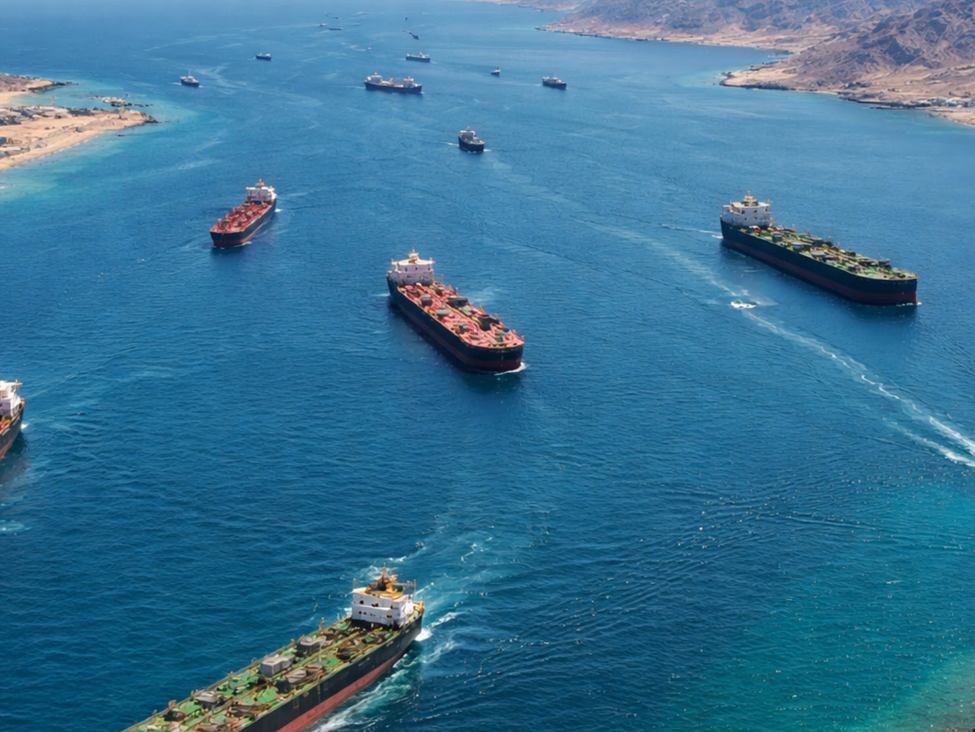
Iranian state media IRNA says that Tehran has made no commitment to restore the Strait of Hormuz to pre-war conditions and no commitment regarding any transfer of management of the strait under the agreement. This clarification might change how markets may interpret the latest diplomatic headlines.
Until now, the dominant narrative around the MoU was that the deal would deliver a relatively straightforward de-escalation: the US would lift its naval blockade, sanctions relief would begin, and Iran would reopen the Strait of Hormuz to normal commercial traffic within roughly 30 days. That has led to strong risk-on sentiment because it implied the removal of one of the largest energy supply risks.
But this news makes things a bit more complicated.
Over recent weeks, Iran has repeatedly floated a framework in which the strait would remain technically open but no longer function under the pre-war status quo of near-unrestricted transit passage. Instead, Tehran has discussed a new management system coordinated with Oman, giving Iran significantly more control over maritime traffic.
This includes the controversial toll or fee system Iran had been discussing with Muscat. Iranian officials previously suggested ships crossing Hormuz could face transit-related charges based on vessel type, cargo, or navigation services, effectively monetizing control over the waterway. Even when Tehran softened the language from “tolls” to “service charges,” the economic implication remained largely the same: shipping through Hormuz may become more expensive and more politically conditional than before the war.
That distinction matters.
A full return to pre-war conditions would mean tanker traffic normalizes, war-risk insurance declines, and supply chains resume with minimal friction. But a “managed reopening” under Iranian oversight is something different. Even if ships are allowed through, tolls, routing restrictions, inspection delays, or selective access could keep shipping costs more elevated. Don’t get me wrong, this is still much better than no traffic at all, but prices might not drop as much as under no-toll scenario.
Iran appears to be signalling that it wants to preserve the most valuable source of leverage it gained during the conflict: control over the world’s most important energy chokepoint. Partial control offers a more sustainable form of pressure. This raises an uncomfortable question about Trump’s latest comments.
Trump has claimed the US is satisfied with the MoU and has presented the agreement as a diplomatic success. But if IRNA’s information is accurate, only two explanations seem plausible. The first is that Trump knowingly accepted Iran’s conditions (Big L). The second possibility is more concerning: Trump may not be fully aware about the operational details embedded in the agreement.
From Iran’s perspective, the ideal outcome is obvious: obtain sanctions relief, secure frozen assets, end immediate military pressure, and still retain strategic leverage over Hormuz. Iran has little incentive to surrender that leverage completely after demonstrating just how disruptive its control can be.
The immediate tail risk is that negotiations fall apart again over the weekend, which might keep risk sentiment more in check heading into the weekend without further clarification from Iran’s or US’s side.



Leave a Reply