

Summary:
- Iran has frozen its MOU commitments and postponed the Geneva talks with the US until a Lebanon ceasefire is in place, with Israel’s continued attacks triggering the deal’s first clause; Vance’s Switzerland cancellation followed
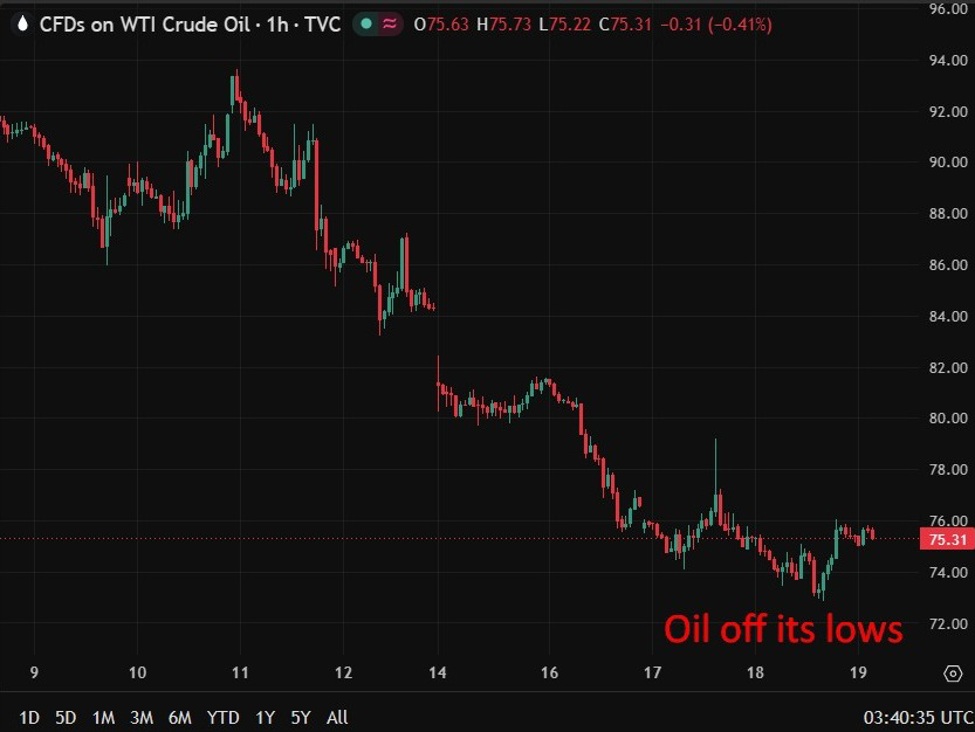
- Oil and the USD edged higher on the news; gold slipped back under $4,200
- Japan’s core CPI held at 1.4% in May, core-core slowed to 1.8%, its weakest since September 2022, with fuel subsidies masking building pipeline pressure
- Finance Minister Katayama warned of decisive action against speculative yen moves, pulling USD/JPY back toward 161.00; traders are on guard for actual intervention given thin Juneteenth liquidity ahead
- The Nikkei slipped modestly on Friday but closed out a strong week; Hong Kong and mainland China markets were shut for a holiday
- Sterling faced mild headwinds from speculation over a potential leadership challenge against Prime Minister Starmer
The dominant story across Friday’s session was the swift unravelling of the US-Iran peace process, just two days after the memorandum of understanding was signed. Iran has frozen its MOU commitments and postponed its Geneva meeting with the US, per Fars news agency, citing Israel’s continued military operations in Lebanon as a violation of the deal’s first clause. Tehran has made clear it will not implement its own obligations until Washington ensures compliance on the Lebanon front. JD Vance’s cancellation of his Switzerland trip, first reported by CNN and later confirmed by the White House, was the visible symptom of a process that had already stalled before it formally began. This is the Lebanon tripwire detonating on schedule. Iran warned consistently that an unresolved Lebanon meant a broken deal, and it is now acting on that position. There are hopes of salvaging talks with a potential meeting between lower level officials.
Oil and the dollar edged higher during the session as the risk premium that had drained from crude following the Hormuz reopening began to rebuild. Gold slipped back under $4,200.
In Japan, May CPI data confirmed what subsidies have been doing to the headline numbers. Core held at 1.4% and core-core slowed to its weakest since September 2022, but producer price acceleration since March signals the pipeline is filling. Finance Minister Katayama added to the yen defence rhetoric, warning of decisive action against speculative moves and pulling USD/JPY back toward 161.00. With Juneteenth thinning US liquidity into the weekend, traders noted the precedent of Japan’s late April and early May interventions, which totalled around $72 billion, conducted precisely during holiday-thinned conditions.
The Nikkei gave back a fraction of what had been a strong week. Sterling softened modestly on domestic political noise around a potential challenge to Prime Minister Starmer.


Leave a Reply