

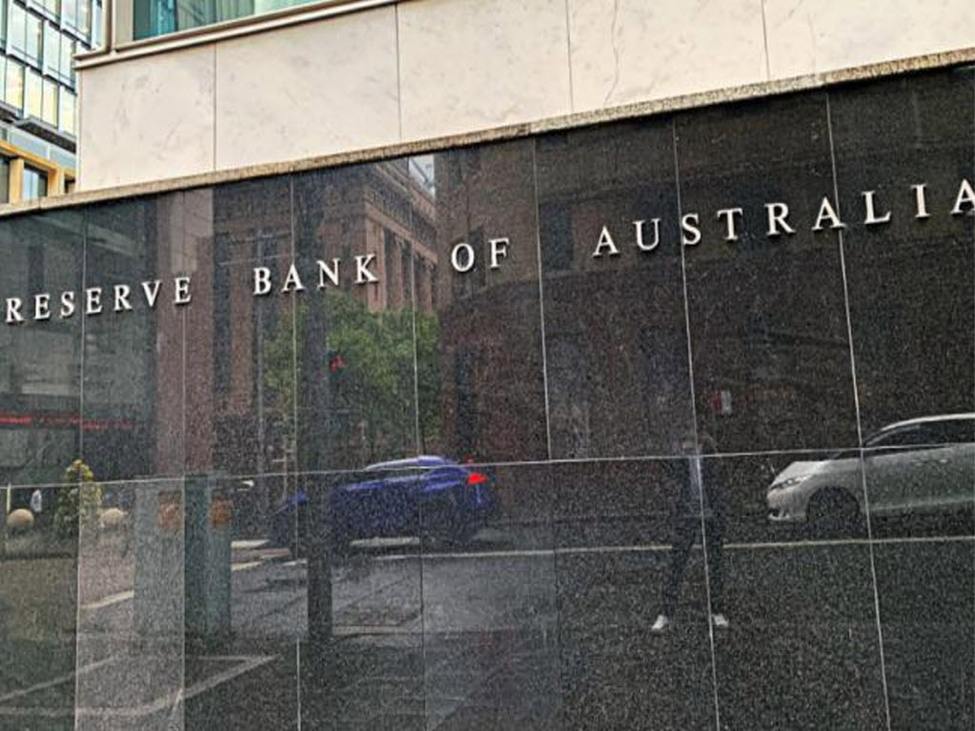
Expectations for an RBA rate hike on March 17 are strengthening as oil-driven inflation risks grow and major banks including ANZ join forecasts for tighter policy.
Summary:
-
RBA Deputy Governor Andrew Hauser warned that oil price shocks tied to the Iran conflict pose upside risks to inflation.
-
He said there will be “genuine policy debate” at the March 17 RBA meeting.
-
Markets now price around a 70% probability of a 25bp rate hike next week.
-
Westpac, NAB, Citi, Deutsche Bank and ANZ now expect a March rate increase.
-
Bank of America, UBS and Capital Economics also forecast a hike at the upcoming meeting.
-
Westpac expects two hikes, March and May, lifting the cash rate to around 4.35%.
-
Higher oil prices and limited spare capacity in the economy are key drivers of tightening expectations.
Expectations of a near-term interest rate hike from the Reserve Bank of Australia have strengthened after fresh comments from Deputy Governor Andrew Hauser and a growing wave of forecasts from major banks predicting tighter policy as soon as next week.
Speaking earlier this week, Hauser warned that the recent surge in oil prices tied to geopolitical tensions involving Iran presents clear upside risks to inflation. He emphasised that the central bank’s policy response will depend on how persistent the shock proves to be, but signalled that the upcoming March 17 policy meeting could involve a “genuine policy debate”.
“Our response depends on the size and persistence of the price shock,” Hauser said, highlighting the uncertainty created by rapidly evolving geopolitical developments.
Despite the uncertain outlook, Hauser stressed the importance of preventing inflation expectations from becoming entrenched. Allowing inflation to remain elevated for too long, he warned, risks repeating the damaging experience of the recent inflation surge.
“If we fail to act decisively enough to prevent inflation staying high or even rising and expectations of inflation disanchor… it will be bad for everyone,” he said, describing inflation as “toxic” for the broader economy.
Hauser also noted that Australia’s economy continues to operate close to its capacity limits. Recent data show annual GDP growth running around 2.6%, above the central bank’s estimate of roughly 2% sustainable growth, suggesting demand may still be exceeding the economy’s underlying supply potential.
Financial markets have reacted quickly to the remarks. Interest-rate futures now imply roughly a 70% probability that the RBA will raise the cash rate by 25 basis points at its March 17 meeting, a sharp shift from expectations earlier in the year when many analysts anticipated the central bank would remain on hold.
Several major banks have moved to forecast a hike next week. Westpac, National Australia Bank, Citi, Deutsche Bank and now ANZ expect the RBA to raise the cash rate in March, reflecting concerns that higher oil prices could push inflation higher again.
Westpac has gone further, revising its outlook to expect two rate hikes — in March and May — which would lift the cash rate to a peak of around 4.35%. The bank said policymakers may act pre-emptively to prevent inflation expectations from drifting upward even if the energy-driven shock proves temporary.
Other institutions including Bank of America, UBS and Capital Economics have also shifted toward expecting a rate increase at the upcoming meeting.
The rapid shift in forecasts highlights how the Middle East conflict has complicated the RBA’s policy outlook. While Australia’s status as a net energy exporter may provide some support to national income, rising global oil prices still pose a risk to domestic inflation and borrowing costs.
With the March decision approaching, policymakers now face a delicate balancing act between responding to geopolitical inflation risks and ensuring monetary policy remains aligned with domestic economic conditions.




Leave a Reply