


- Prior 3.75%
- Bank rate vote 9-0 vs 7-2 expected
- Conflict in the Middle East has caused a significant increase in global energy and other commodity prices, which will affect households’ fuel and utility prices and have indirect effects via businesses’ costs
- CPI inflation will be higher in the near term as a result of the new shock to the economy
- The MPC is alert to the increased risk of domestic inflationary pressures through second-round effects in wage and price-setting
- The MPC is also assessing the implications for inflation of the weakening in economic activity that is likely to result from higher energy costs
- The Committee will continue to monitor closely the situation in the Middle East and its impact on global energy supply and energy prices
- It stands ready to act as necessary to ensure that CPI inflation remains on track to meet the 2% target in the medium term
- Full statement
This is slightly more hawkish than expected considering the unanimous vote to hold the Bank Rate unchanged. Markets price 65 bps of BoE rate hikes in 2026 after MPC announcement vs 39 bps before.
Reading through individual members’ reasons to keep the bank rate unchanged, there’s a strong consensus of pausing the easing cycle and assess the impacts from the war. BoE’s Bailey noted that “the starting point for this shock is a real economy with limited pricing power”, so there’s still an easing bias.
The MPC will learn more by its April meeting about the scale and duration of the shock, as well as its possible second-round effects, and the implications for monetary policy.
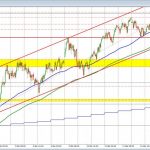
UK yields rose after the BoE decision with the 10-year yield approaching cycle highs. The FTSE 100 extended the losses amid negative growth expectations coupled with inflation risks and no support from the central bank.



Leave a Reply