

- Short and medium-term real interest rates are clearly negative
- Japan’s financial conditions remain accommodative
- Increased fiscal spending could crowd out private investment by pushing up market interest rates
- Negative interest rates are leading to moderate uptrend in private capital expenditure
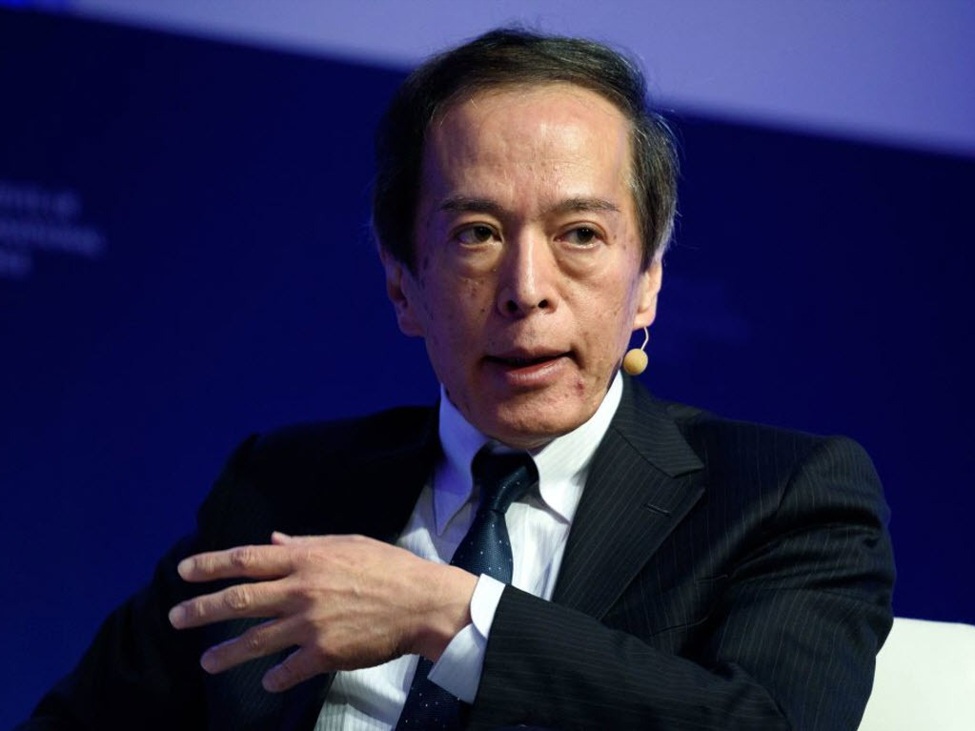
Bank of Japan Governor Kazuo Ueda reiterated that despite shifts in global policy, Japan’s internal financial conditions remains deeply accommodative. Central to this view is the fact that both short and medium-term real interest rates are still clearly in negative territory. This persistent gap ensures that borrowing costs for businesses and households remain supportive for growth, even as the BoJ maintains a hawkish stance.
Ueda warned that increased fiscal spending carries the potential to “crowd out” private investment. This phenomenon occurs when heavy government borrowing increases the demand for loanable funds, thereby pushing up market interest rates and making it more expensive for private companies to finance their own projects. He also acknowledged that the current negative real rate environment provides sufficient support for private capital expenditure.
The market is pricing in two rate hikes by year-end with a 51% chance of an increase already this month. A former BoJ official told Bloomberg today the BoJ is likely to hike this month to avoid falling behind the curve on inflation. In my opinion, the central bank is more likely to hold interest rates steady and let things settle after the conclusion of the US-Iran war (that’s if it really ends in the next two weeks). The BoJ could lay the groundwork for a rate hike in June though if they think they have the right conditions in place.





Leave a Reply