

Fed’s Jefferson signals steady policy but flags rising energy-driven inflation risks and heightened uncertainty.
Summary:
- Fed’s Jefferson says policy is well positioned, no urgency to adjust rates
- Inflation expected to rise near term due to energy shock
- Sustained higher oil prices seen as key upside risk to inflation
- Labour market “roughly in balance” but fragile, with downside risks
- Tariffs and geopolitics complicate outlook, reinforcing cautious Fed stance
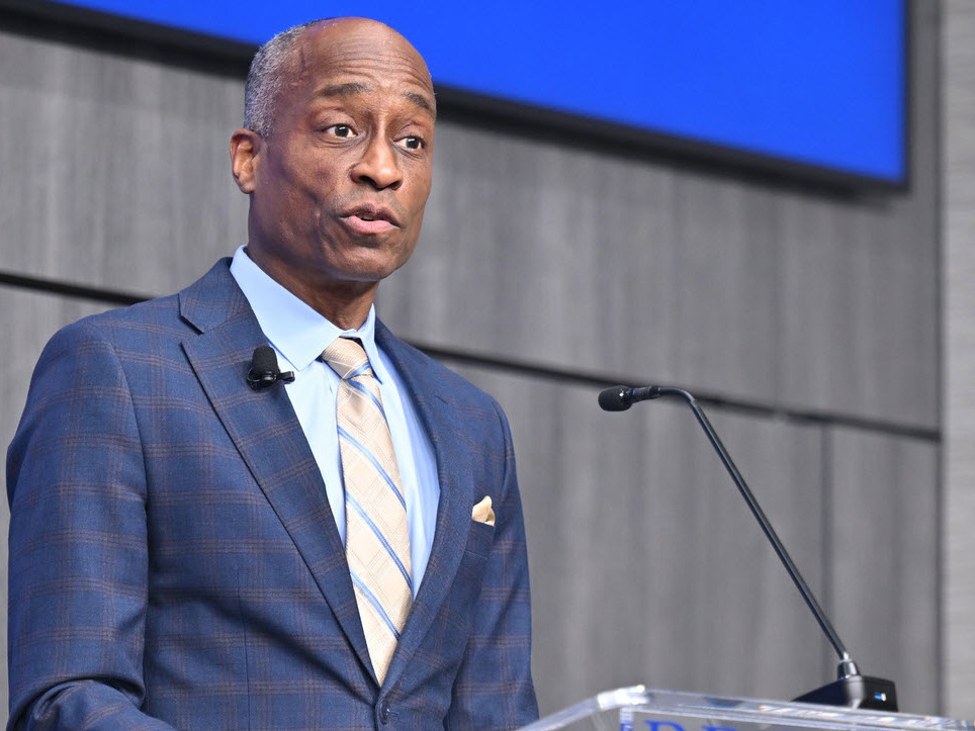
Federal Reserve Vice Chair Philip Jefferson signalled a steady policy stance while warning that rising energy prices and geopolitical tensions are complicating the inflation outlook and reinforcing uncertainty around the economic trajectory.
Speaking on Thursday, Jefferson said current monetary policy is “appropriately positioned,” suggesting no immediate need for adjustment as the Fed assesses evolving risks. He indicated that the existing stance should continue to support the labour market while allowing inflation to gradually resume its decline toward the central bank’s 2% target, particularly as the effects of earlier tariff increases fade.
However, Jefferson acknowledged that the near-term inflation path is likely to be more challenging. He expects headline inflation to move higher in the short term, reflecting the recent surge in energy prices linked to the Middle East conflict. While he characterised the initial impact as potentially modest and temporary, he cautioned that a sustained rise in oil prices could have more material consequences, including broader pass-through into the economy and risks of inflation becoming more entrenched.
The broader risk backdrop remains skewed to the upside for inflation, with ongoing trade policy uncertainty and geopolitical tensions cited as key drivers. At the same time, Jefferson highlighted the dual nature of the energy shock, noting that higher prices could also weigh on consumer spending and business activity, creating a more complex policy environment.
On growth, Jefferson maintained a relatively stable outlook, projecting the U.S. economy to expand around 2% this year or slightly faster, supported by investment trends and productivity gains. The labour market, meanwhile, was described as “roughly in balance,” with unemployment expected to remain near current levels, though he warned it remains vulnerable to adverse shocks given subdued hiring dynamics.
Taken together, Jefferson’s remarks reinforce a cautious, data-dependent Fed stance, with policymakers likely to remain on hold as they navigate the competing risks of persistent inflation and potential growth softening.




Leave a Reply