
- Prudent to hold interest rates steady and await more clarity on what the Fed should do next
- Pace and uncertainty of changes around AI have made a lot of Fed officials ‘uneasy’
- War, fast changes due to artificial intelligence have again clouded economic outlook
- Even before oil shock, progress on inflation was at risk of stalling
- Higher gasoline prices hit consumer sentiment, can crowd out other spending
- Says he will be watching inflation and expectations data carefully
- Demand has been steady but continues to feel ‘narrow,’ based on AI investment and wealthier households
- Unemployment is low, but labor market feels ‘fragile,’ firms see little wage pressure, multiple applicants for each job
- ‘Fog’ again obscuring economic outlook
Richmond
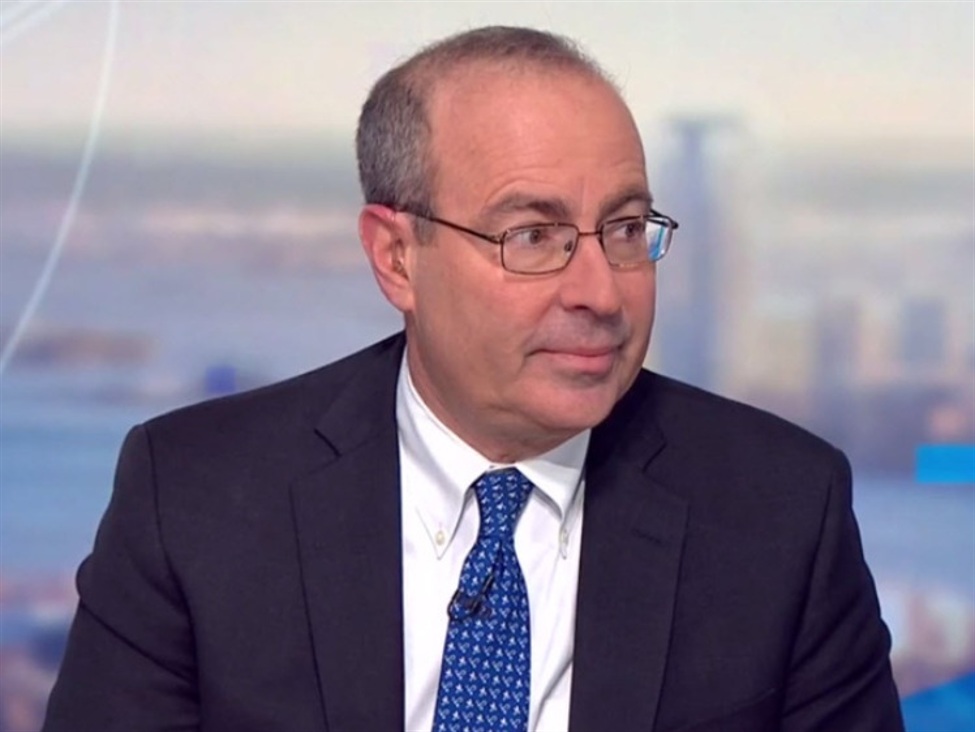
Fed President Tom Barkin is out with a speech that leans heavily
on a fog metaphor he first used a year ago — and he’s not ready to
retire it.
Barkin
painted a picture of an economy that’s still moving forward but where
visibility has gotten worse, not better. He pointed to AI disruption,
the Iran-related oil spike, and lingering policy uncertainty as forces
that have deepened the haze around the outlook and
On
the surface, the numbers look fine. GDP grew 2% last year, unemployment
is hovering around 4.4%, and consumers are still swiping their cards.
But Barkin made clear that the headline figures mask a fragility
underneath. Job growth is essentially zero, and the only reason
unemployment hasn’t climbed is because fewer people are entering the
workforce through reduced migration and boomer retirements.
The
demand picture is what stands out as particularly vulnerable. Barkin
described strength as “narrow,” concentrated in AI-related investment
and spending by wealthier households — and he connected those two dots
explicitly. An AI pullback would hit business investment and equities,
which would then drag down consumption from the wealthy. It’s a feedback
loop that doesn’t have a lot of redundancy built in.
On
inflation, he acknowledged progress but flagged that recent PCE data
suggest things may be stalling — and that was before the oil shock hit.
He rattled off a list of supply-side cost pressures since the pandemic
that reads like a greatest hits of stagflationary impulses.
On
policy, Barkin backed the decision to hold rates and wait for clarity.
He described the current fed funds rate as sitting at the higher end of
the neutral range, which leaves room to move in either direction. But
nothing in this speech suggests he’s in any rush. The fog, as he sees
it, hasn’t burned off — and until it does, the Fed is content to sit in
the car with the hazards on.
Quotable:
On
the labor market:
“Employers tell us that labor is freely available
with multiple applicants for every position. They face very little wage
pressure.”
On
AI and hiring:
“Even where demand is solid, employers are still
reluctant to hire in the context of strong productivity, high
uncertainty, and the potential impact of AI.”
The market is pricing in a 40% chance of a Fed hike in October or earlier.




Leave a Reply