

Summary:
-
Takaichi and Ueda meet for first time since election win, amid rate-hike speculation.
-
Previous November meeting preceded December hike to 0.75%.
-
Yen has rebounded nearly 3%, after earlier weakness near 160 per dollar.
-
Markets price ~80% chance of April hike, as inflation stays above target.
-
Two BOJ board seats opening, giving Takaichi potential influence over policy direction.
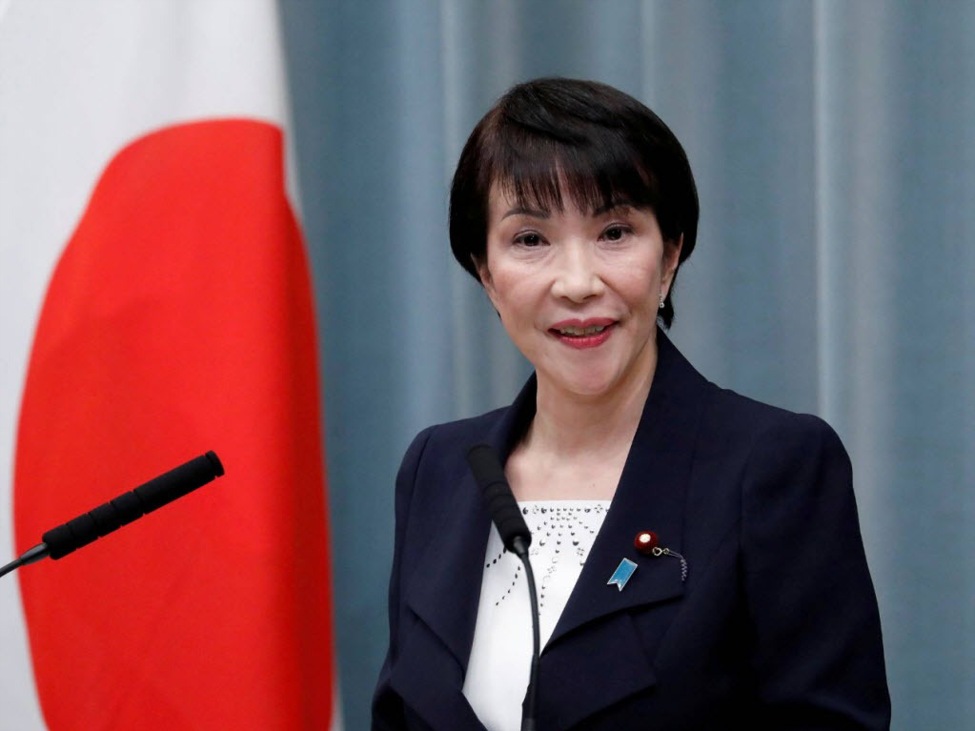
Japanese Prime Minister Sanae Takaichi is set to hold her first bilateral meeting with Bank of Japan Governor Kazuo Ueda since securing a landslide election victory, in a closely watched encounter that could shape expectations for further interest rate hikes.
The meeting, scheduled for 5 p.m. local time (0800 GMT/ 0300 US Eastern time), comes as markets increasingly speculate that persistent inflation and earlier yen weakness may prompt the central bank to tighten policy again as soon as March or April. The BOJ head typically holds a bilateral meeting with the
premier about once every quarter to discuss economic and price
developments.
Investors have drawn parallels with the pair’s previous face-to-face discussion in November, which preceded the BOJ’s December rate hike to 0.75%, a 30-year high. At that time, the yen had been under heavy pressure amid concerns the government might resist further tightening. However, Governor Ueda signalled that the central bank was proceeding gradually toward achieving its inflation target, and policymakers followed through with a rate increase weeks later.
Since then, currency dynamics have shifted. After sliding close to the psychologically significant 160 level against the dollar in January, the yen has rebounded sharply, gaining nearly 3% last week, its strongest advance since November 2024. The dollar is trading around 153.10 as I post.
The stronger yen could influence the tone of policy discussions. While Takaichi has previously been associated with expansionary fiscal and monetary views, she has largely refrained from direct comment on BOJ decisions since the election. Under Japanese law, the central bank operates independently, though historically it has faced political pressure during periods of sharp currency moves.
Inflation has remained above the BOJ’s 2% target for nearly four years, and the bank has repeatedly stressed its readiness to continue normalising policy after exiting large-scale stimulus in 2024. Markets are currently pricing roughly an 80% probability of another rate hike by April.
Beyond near-term policy, Takaichi will also have the opportunity to shape the BOJ’s future direction, with two seats on the nine-member policy board set to open later this year.
Bank of Japan Governor Ueda


Leave a Reply