


Adding some info on the Tankan to the earlier post, via Reuters recap.
Summary:
- Japan Tankan shows large manufacturers at +17 (vs +16 expected), continuing improvement
- Large non-manufacturers strong at +36 (vs +33 expected)
- Firms expect conditions to worsen over next three months
- Inflation expectations rise to record highs (2.6% 1yr, 2.5% 3–5yr)
- Middle East/Iran war driving cost pressures and uncertainty, though not fully reflected yet
- Reinforces BoJ tightening bias, with markets pricing ~70% chance of April hike
Japan’s latest Tankan survey confirmed that corporate sentiment remained resilient in early 2026, though the outlook has deteriorated as the economic impact of the Iran war begins to filter through.
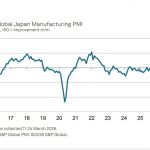
Large manufacturers’ sentiment rose to +17 in March, slightly above expectations and marking a continued improvement from previous quarters. Sentiment among large non-manufacturers also remained strong at +36, beating forecasts and highlighting ongoing support from domestic demand and services activity. Together, the data suggest that Japanese firms have, for now, largely absorbed the initial shock from the recent escalation in the Middle East.
However, forward-looking indicators paint a more cautious picture. Firms expect business conditions to weaken over the next three months, reflecting concerns about rising energy costs, supply chain disruptions and broader global uncertainty stemming from the conflict. A Bank of Japan official noted that while some responses were collected after the escalation began, the survey likely does not fully capture the extent of the war’s economic impact.
The data also highlight growing inflationary pressures. Corporate inflation expectations have risen to record levels, with firms projecting inflation at 2.6% over the next year and 2.5% over three- and five-year horizons. This suggests that price pressures are becoming more embedded, driven in part by higher energy costs and a weaker yen.
Capital Economics struck a notably hawkish tone on the implications for policy. “The Tankan survey showed that firms are shrugging off the energy shock caused by the Iran war, which should encourage the BoJ to hike rates at this month’s meeting,” said Marcel Thieliant, head of Asia-Pacific at Capital Economics.
At the same time, the Bank of Japan faces a complex trade-off. While rising energy costs are pushing inflation higher, they also risk weighing on economic activity in a country heavily reliant on imported fuel. This tension comes as the BoJ continues its gradual normalisation process following the end of its ultra-loose policy regime, with markets now assigning a high probability to another rate increase in the near term.
Bank of Japan Governor Ueda


Leave a Reply