

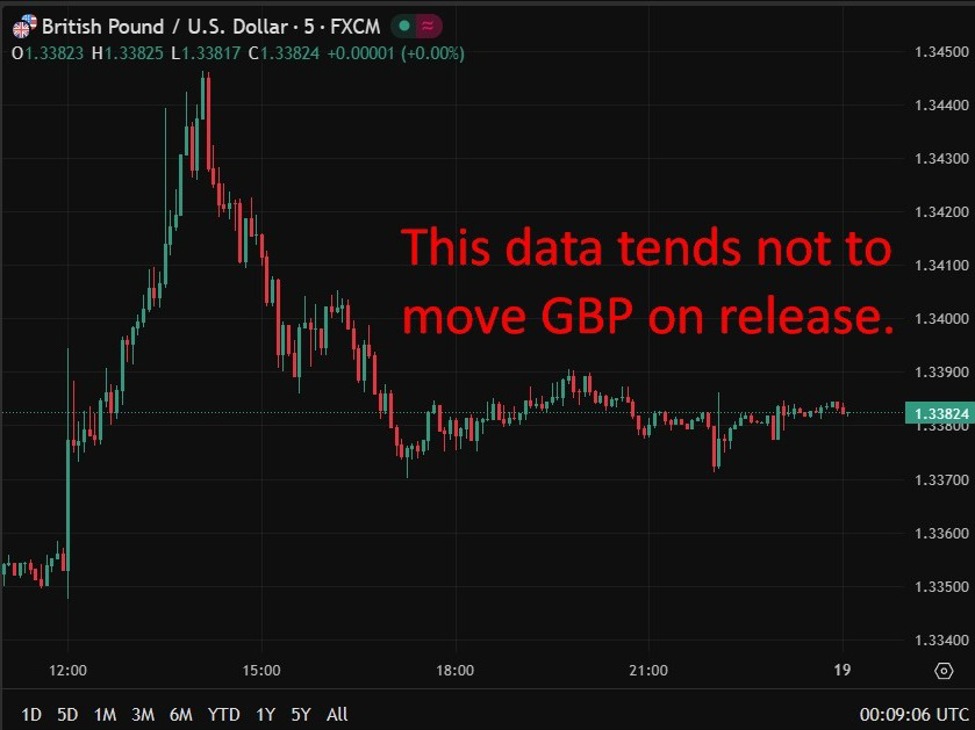
United Kingdom GfK Consumer Confidence for December 2025: -17
- vs. expected -18, prior -19
Summary
- Improved modestly in December
- Budget restraint and easing inflation offered support
- Spending remains weak despite real wage gains
British consumer confidence edged higher in December, reaching its joint-highest level of the year, though sentiment remains weak by historical standards, according to a closely watched monthly survey from GfK.
The GfK consumer confidence index rose to -17 in December, matching levels last seen in October and August. The reading marks the strongest level since August 2024, shortly after the Labour government took office, but still points to a cautious and fragile consumer backdrop.
The modest improvement followed Chancellor Rachel Reeves’ annual budget, which imposed relatively few immediate tax increases on households. While the budget raised Britain’s overall tax burden by around £26 billion per year, this was notably smaller than the £40 billion increase announced in 2024, and much of the additional tax impact will not take effect until later years.
GfK noted that households’ assessment of the general economic outlook improved more than perceptions of their own personal finances. Encouragingly, consumers’ willingness to make major purchases recorded the largest gain among the survey’s components, suggesting tentative signs of easing caution.
Commenting on the data, GfK consumer insights director Neil Bellamy likened consumers to “a family on a festive winter hike,” moving forward slowly while hoping for better conditions ahead, a metaphor that captures both resilience and ongoing uncertainty.
The confidence uptick also comes against a slightly more supportive inflation backdrop. Consumer price inflation slowed to 3.2% in November, its lowest level since March, and the government’s budget included measures to shift climate-related costs away from household energy bills and into general taxation, potentially easing near-term pressure on disposable incomes.
Despite these factors, consumer spending in the UK has remained subdued. Although wages have outpaced inflation this year, households — like their counterparts across much of Europe — have continued to save at elevated rates. This reluctance to spend has puzzled economists and suggests that confidence, while improving, has yet to translate into a meaningful recovery in consumption.





Leave a Reply