


- Prior was 231K (revised to 232K)
- Four-week moving average 219.5K vs 212.5K prior
- Continuing claims 1862K vs 1850K expected
- Prior continuing claims 1844K (revised to 1841K)
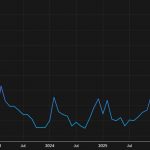
Last week, the market was rattled by the job in initial jobless claims. Prior to that, for the week ending January 17, 2026, initial claims rose slightly by 1,000 to 200,000, holding below market expectations of 212,000 and marking the second-lowest reading in two years. The week ending January 24 saw claims edge up to 209,000, still below expectations, while continuing claims fell to 1,827,000, the lowest level since September 2024. Most recently, for the week ending January 31, initial claims surged by 22,000 to 231,000, sharply exceeding expectations of 212,000 and marking the highest level in nearly two months, attributed to business disruptions from severe winter storms across multiple parts of the country.
initial jobless claims
The Unemployment Insurance Weekly Claims Report, released every Thursday at 8:30 a.m. ET by the U.S. Department of Labor’s Employment and Training Administration, tracks the number of individuals filing for unemployment insurance benefits for the first time during the previous week. As the timeliest indicator of labor market conditions, initial jobless claims provide an early snapshot of layoff activity and emerging unemployment trends. The report includes both seasonally adjusted and unadjusted figures, along with continuing claims reflecting the number of people already receiving unemployment benefits. The four-week moving average is often used to smooth out weekly volatility and provide a clearer picture of underlying trends. Data is collected from state unemployment insurance programs across all fifty states and reported with a one-week lag.
Yesterday, the non-farm payrolls report briefly put to rest worries about the jobs market but I suspect that won’t be the end of the discussion as several other metrics have been softening. There is also the potential disruption form AI that’s inevitably coming.




Leave a Reply