
Introduction: What Is Forex?
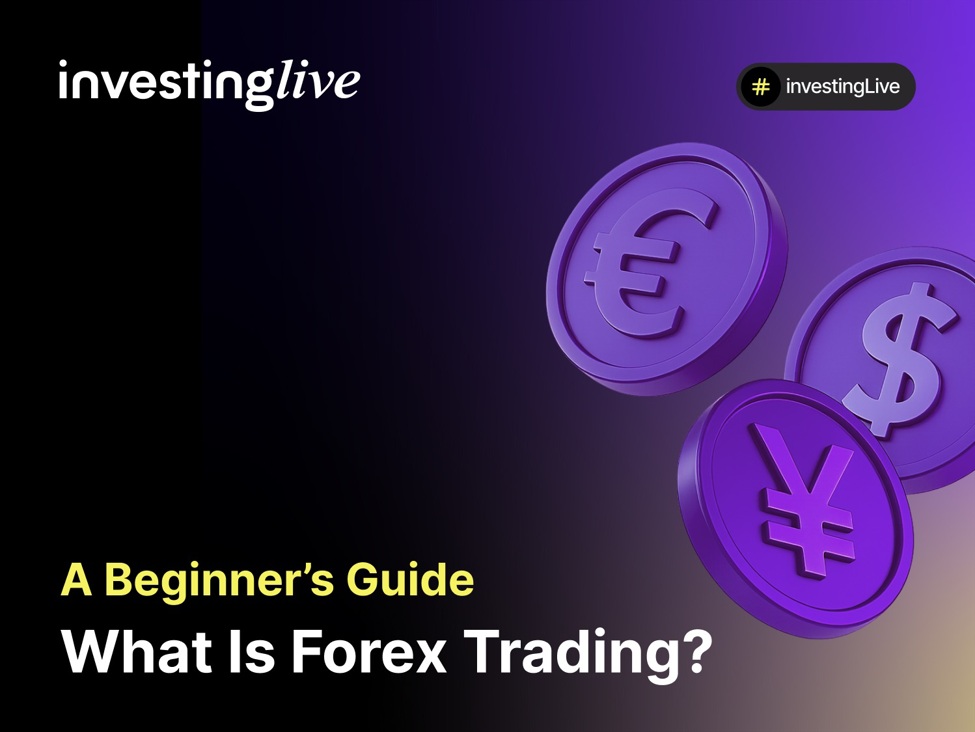
Forex, short for foreign exchange, is the global market where currencies are traded. It is the biggest and most active financial market globally, with more than $7.5 trillion traded every day (Bank for International Settlements, 2022). Unlike equity markets that have specific opening and closing times, the forex market operates 24 hours a day, five days a week. It starts in Sydney, moves to Tokyo, then London, and finally ends in New York.
Forex trading involves exchanging one currency for another with the aim of making a profit when the prices change. Currencies are always traded in pairs. When you buy one currency, you are also selling another.
Example: In the EUR/USD pair, the euro (EUR) is the first currency, and the U.S. dollar (USD) is the second. If EUR/USD is trading at 1.1650, it means one euro is worth 1.1650 U.S. dollars.
The buying and selling in forex are affected by global events, interest rates, and how investors feel about the market. Because the forex market is so large and liquid, traders can quickly enter and exit positions, usually at low costs. This ease of access is one reason many beginners choose to start here.
How Does Forex Trading Work?
Forex trading means buying one currency while selling another at the same time. Since exchange rates show how much one currency is worth compared to another, forex prices are always shown in pairs.
-
Base currency: This is the first currency in the pair (e.g., EUR in EUR/USD).
-
Quote currency: This is the second currency in the pair (e.g., USD in EUR/USD).
-
Price quote: If EUR/USD = 1.1650, it means 1 euro = 1.1650 U.S. dollars.
-
When you trade, you are guessing whether the base currency will go up or down compared to the quote currency:
-
Go long (buy): If you believe the base currency will increase in value, you buy the pair.
-
Go short (sell): If you believe it will get weaker, you liquidate the pair.
Each quote has two prices:
-
The bid price: This is the price at which you can sell the currency pair.
-
The ask price: This is the price at which you can buy the currency pair.
-
The minor difference between these two prices is referred to as the spread, which is essentially the fee charged by the broker.
Example: If EUR/USD has a buy price of 1.1650 and a sell price of 1.1648, and you buy at 1.1650 expecting the euro to rise, if later the sell price goes up to 1.1700, you can close the trade there for a profit of 50 pips (1.1700 – 1.1650). If instead, the value decreases to 1.1600, you would take a loss of 50 pips. This ability to trade whether prices are going up or down makes forex more flexible than conventional investing.
Types of Currency Pairs
In forex, every trade involves two currencies, but not all currency pairs are equally popular or easy to trade. Currency pairs fall into three primary categories: major pairs, minor pairs, and exotic pairs.
Major Pairs
Major pairs always include the U.S. dollar (USD), which is the most traded currency in the world, paired with another major currency like the euro, yen, or pound. These pairs are the most actively traded and usually have the lowest spreads, making them a good starting point for beginners.
Examples: EUR/USD, GBP/USD, USD/JPY, USD/CHF
Minor Pairs
Minor pairs, also known as cross-currency pairs, do not include the U.S. dollar but involve other major currencies. They are not as actively traded as major pairs, which means their spreads are a bit wider, but they still trade actively every day.
Examples: EUR/GBP, AUD/JPY, NZD/CHF
Exotic Pairs
Exotic pairs combine a major currency with one from a smaller or emerging economy. These pairs may exhibit greater volatility, have wider spreads, and cost more to trade. While they might offer opportunities, their volatility makes them less suitable for beginners.
Examples: USD/TRY, EUR/ZAR, USD/THB
Tip for beginners: Many beginners begin with major pairs because they are easier to track, cheaper to trade, and generally less volatile than minor or exotic pairs.
Why Trade Forex?
Forex is the most significant financial market globally, attracting millions of traders from institutions to beginners. Here are several reasons why:
High Liquidity
With over $7.5 trillion traded every day, forex is the most significant liquidity market. This means trades can be executed quickly, and large orders can be completed without greatly affecting the price. High liquidity also keeps spreads tighter on major currency pairs, lowering costs.
24/5 Market Access
Unlike stock markets that close daily, forex is open 24 hours a day, five days a week. Trading begins Monday morning in Sydney, moves through Tokyo and London, and ends Friday evening in New York. This continuous cycle means you can find trading opportunities almost any time.
Minimal Entry Barriers
Many brokers allow you to open a trading account with small amounts of money, sometimes as little as $50–$100. This makes forex trading much more accessible compared to markets like real estate or equities, which often need larger amounts of money to start.
Leverage
Many forex brokers provide the option of leverage, enabling you to manage larger sums with a smaller initial deposit. For instance, with 50:1 leverage, a $1,000 deposit can control a position worth $50,000. While this tool can enhance profits, it can also amplify losses, so it should be approached with caution.
Global Reach
Forex is influenced by global events, economic data, decisions made by central banks, politics, and trade flows. This variety gives traders many factors to watch and learn from, making forex an appealing choice for those interested in connecting news with financial movements.
These advantages make currency trading appealing, but they should always be weighed against the associated risks, which we will explore next.
Risks of Forex Trading
While forex offers unique opportunities, it also comes with significant risks. Beginners should understand these risks before investing real money.
Volatility
Prices of currencies can fluctuate rapidly in response to news, economic reports, or political developments. This volatility can create chances for profit, but it also means losses can happen just as fast. A single announcement from a central bank can move a currency pair by hundreds of pips in a matter of minutes.
Leverage Risk
Using leverage allows traders to control larger positions with less money, but it can increase both profits and losses. For example, with 50:1 leverage, a 1% move against your position could wipe out 50% of your deposit. It is crucial to manage risk when using leverage.
Emotional Discipline
Trading involves more than just numbers; emotions can greatly influence your decisions. Fear can cause traders to close trades too soon, while greed can make them hold onto losing positions. Without discipline and a clear plan, emotions can lead to costly mistakes.
Scams and Unregulated Brokers
The global nature of forex has attracted scams, including “guaranteed profit” schemes and unregulated brokers offering unrealistic bonuses. To safeguard your investments, only participate in the market with brokers regulated by recognized authorities such as the FCA (UK), CySEC (Cyprus), or ASIC (Australia).
Important: Forex trading involves real risks, but these can be managed with education, practice, and discipline. Always start small, use stop-loss orders, and never invest money you cannot afford to lose.
Who Trades Forex?
The currency market is genuinely global, featuring participants from individual traders to large institutions handling billions of dollars.
Retail Traders
Retail traders are individuals who trade using online platforms and mobile apps. Over the past decade, retail trading has grown rapidly. Although retail traders are smaller players compared to institutions, technology has made it easier for anyone to access the market.
Institutions
Banks, hedge funds, and large corporations dominate forex trading. They account for the majority of daily trading volume, often between 70% and 90%. Their speed, size, and access to information mean they provide most of the market’s liquidity and often influence its direction.
Governments and Central Banks
Governments and central banks also participate in forex trading. They intervene to stabilize their economies, set interest rates, or adjust reserves. While they are not trading for profit like individuals or funds, their actions can significantly impact the market.
While institutions dominate currency trading, participation from retail traders is steadily on the rise. With lower barriers to entry, more individuals are now part of this global market.
How to Start Trading Forex
Getting started in forex doesn’t have to be complicated. Beginners should take a step-by-step approach to build their knowledge and confidence.
Step 1 – Choose a Regulated Broker
Your chosen broker serves as your gateway to the currency market. Always choose one that is regulated by a recognized authority like the FCA (UK), CySEC (Cyprus), or ASIC (Australia). Regulation helps protect your funds and ensures fair trading conditions. Avoid unregulated platforms or those that promise “guaranteed profits.”
Step 2 – Open an Account
Most brokers offer two types of accounts for trading currencies:
-
Demo accounts: These allow you to practice with virtual money in real market conditions. This is the safest way to learn how trading platforms work.
-
Live accounts: Once you feel confident, you can trade with real money. You will need to provide identification and proof of address to open a live account.
Step 3 – Pick Your Currency Pairs
Start simple by focusing on one or two major pairs (like EUR/USD or GBP/USD). These pairs usually have the tightest spreads and highest liquidity, making them easier for beginners to trade.
Step 4 – Place Your First Trade
Determine if you wish to:
You will also choose your trade size. Larger positions can lead to bigger potential profits but also bigger potential losses.
Step 5 – Manage Your Risk
Managing risk effectively is essential for staying active in the forex market:
-
Stop-loss orders: These automatically close a trade if it moves against you by a set amount.
-
Take-profit orders: These lock in profits at a chosen target.
-
Position sizing: Many traders risk no more than 1-2% of their account on a single trade.
-
Use leverage carefully: While it can increase profits, it can also lead to significant losses.
Tip for beginners: Begin with modest amounts, even if you feel assured. Trading smaller amounts helps you learn without taking unnecessary risks.
Step 6 – Review and Learn
Maintain a simple journal to track your trades. Write down why you entered a trade, your stop-loss, your target, and the result. Over time, this will help you identify what works and what doesn’t in your approach.
Quick Glossary of Forex Trading Terms
-
Ask Price: The price at which you can buy a pair of currencies.
-
Bid Price: The price at which you can sell a currency pair.
-
Spread: The difference between the bid and ask price; essentially the broker’s fee.
-
Pip (Percentage in Point): The smallest price movement in most pairs, usually 0.0001 for those quoted to four decimal places.
-
Lot: A standard unit of trading in forex.
-
Standard lot: 100,000 units of the base currency.
-
Mini lot: 10,000 units.
-
Micro lot: 1,000 units.
-
Base Currency: The first currency in a pair (e.g., EUR in EUR/USD).
-
Quote Currency: The second currency in a pair (e.g., USD in EUR/USD).
-
Leverage: Borrowed money that allows you to control a larger position with a smaller deposit; it amplifies both profits and losses.
-
Margin: The minimum deposit required to open and maintain a leveraged position.
-
Long Position: Buying a pair, expecting the base currency to rise in value.
-
Short Position: Selling a pair, expecting the base currency to fall in value.
-
Major Pairs: The most liquid pairs that include the U.S. dollar, such as EUR/USD or USD/JPY.
-
Minor Pairs (Crosses): Pairs that do not include the U.S. dollar but involve other major currencies, such as EUR/GBP.
-
Exotic Pairs: Pairs that include a major currency and one from an emerging or smaller economy, such as USD/TRY.
-
Stop-Loss Order: An order to automatically close a trade when it reaches a set loss limit, helping to control risk.
-
Take-Profit Order: An order that automatically closes a trade when it reaches a set profit target.
-
Volatility: The degree of price movement in a pair; higher volatility means larger, faster price changes.
-
Scalping: A trading strategy that involves making many small, quick trades to capture tiny price movements.
-
Swing Trading: Holding positions for days or weeks to profit from medium-term market moves.
-
Day Trading: Opening and closing positions within the same trading day.
-
Liquidity: How easily a pair can be bought or sold without causing major price changes. Major pairs usually have the highest liquidity.
-
Central Bank: A country’s main monetary authority (like the U.S. Federal Reserve or the European Central Bank) that influences currency values through interest rate decisions and policies.
Forex Trading Examples
To understand how forex trades work in practice, let’s look at two simple examples using the EUR/USD pair, one that results in a profit and one that results in a loss.
Example 1: A Winning Trade
-
Entry: Buy EUR/USD at 1.1650 (buy price) and sell at 1.1648 (sell price).
-
You believe the euro will increase in value, so you buy 1 standard lot (100,000 units) at 1.1650.
-
Later, the sell price rises to 1.1700, and you close the trade.
Result: You made a profit because the market moved in your favor.
Example 2: A Losing Trade
-
Entry: Buy EUR/USD at 1.1650 (buy price) and sell at 1.1648 (sell price).
-
Instead of rising, the market falls, and the sell price drops to 1.1600.
-
You decide to close the trade there.
Result: You took a loss because the market moved against you.
These examples illustrate both possible outcomes: a profit if the market moves in your favor and a loss if it moves against you. The final result depends on your position size, the pair you trade, and whether you use tools like leverage, stop-losses, and take-profits.
Final Thoughts / Next Steps
Forex is the largest and most approachable financial market in the world. Its liquidity, 24-hour availability, and relatively low entry costs make it appealing to beginners. However, like any market, it also carries risks, especially when using leverage and managing emotions.
To begin, take small, steady steps:
-
Open a demo account to practice in real conditions without risking real money.
-
Learn how trading platforms work, how spreads affect trades, and how to use tools like stop-loss and take-profit orders.
-
Once you feel confident, move to a live account with a small deposit, only use money you can afford to lose.
-
Focus on one or two major currency pairs before branching out to more markets.
-
Keep your risk low until you have a consistent trading approach.
Above all, remember: successful forex trading isn’t about making quick money. It’s about discipline, patience, and continuous learning. Start small, develop your skills, and grow step by step.
Over time, you can explore more advanced topics like technical analysis, fundamental factors, and trading strategies. With preparation and practice, forex can be a great way to learn about global markets and participate in the world’s most active financial arena.
Continue Your Trading Journey
If you’re interested in other markets, our next guide, “What Is Crypto Trading – A Beginner’s Guide,” explains how cryptocurrency trading works, the risks involved, and how to get started safely.
When you’re ready to open a live forex account, be sure to choose a regulated platform and app. Our pages on the Best Forex Brokers of 2024, Best Forex Trading Apps, and Best Forex Brokers for Beginners compare trusted brokers side by side to help you find one that meets your trading needs.
Beginner FAQ
What is forex in simple terms?
Forex is the buying and selling of currencies to profit from changes in their value.
How much money do I need to start trading forex?
Some brokers allow you to start with as little as $50–$100, but it’s more important to trade small amounts and use strict risk management than to worry about the amount you invest.
Do I need special software?
Most brokers provide their own apps or web platforms. Popular third-party tools include MetaTrader and TradingView, which offer charts, indicators, and trading features.
Can I trade forex while working or studying?
Yes. Day trading demands your full attention, while swing trading, which involves holding positions for several days, lets you review charts only once or twice daily.
Is currency trading right for me?
If you can manage risk, accept losses, and adhere to a strategy, the currency market may be a suitable option for you. However, if you expect guaranteed returns or quick profits, you might be disappointed.
What’s the biggest mistake beginners make?
A frequent error is taking on too much risk too quickly. Using high leverage or risking large amounts often leads




Leave a Reply