

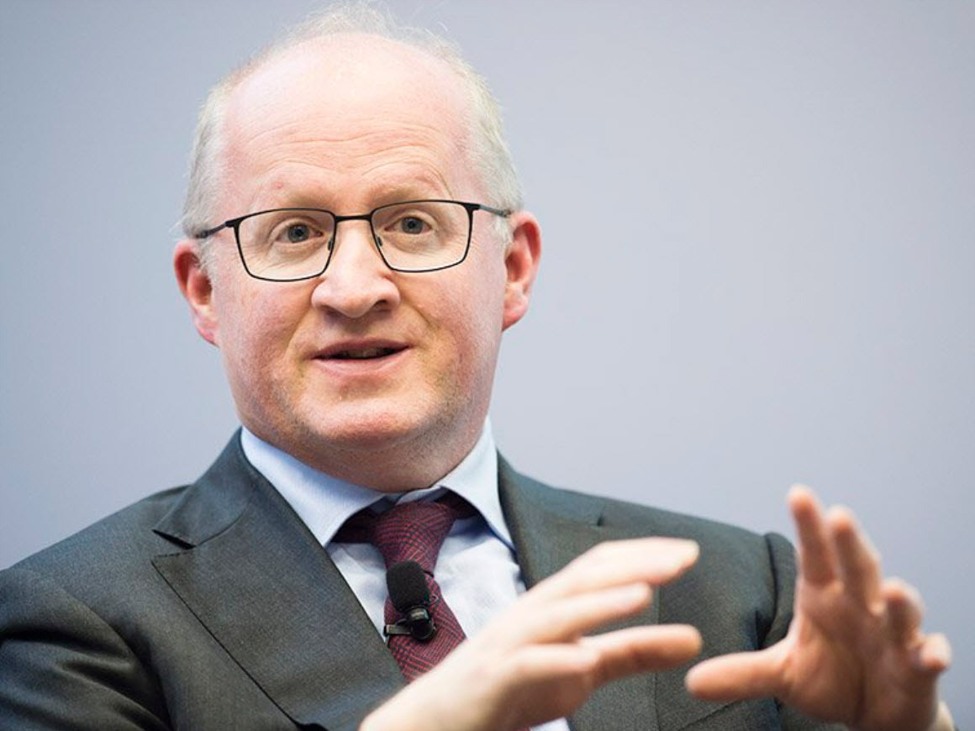
ECB Chief Economist Philip Lane warned that inflationary pressures from the energy shock will persist even if we see a reversal. Lane highlighted that while the initial shock is fading, the resulting adjustments in wages and price-setting behavior continue to weigh on the economy.
He noted that the impact of high energy costs is not a one-time event. Even if oil and gas prices stabilize, the “second-round” effects, where firms raise prices to protect margins and workers demand higher wages to recover purchasing power, create a lingering inflationary tail.
He pointed out that the true extent of global oil supply declines has been temporarily hidden by the use of inventories, suggesting that underlying supply constraints remain a risk.
Lane cautioned that energy shocks often produce “non-linear” effects, meaning inflation can spike more sharply than standard economic models predict. While the current environment differs from the acute crisis of 2022, the ECB remains wary of how these shifts influence the behavior of “price-setting sectors”.
A core theme of Lane’s address was the psychological aspect of monetary policy. He stressed that the ECB must prevent a “persistent belief” from taking root among the public that inflation will remain high indefinitely, which is why the central bank is looking to deliver an “insurance” rate hike in June.





Leave a Reply