
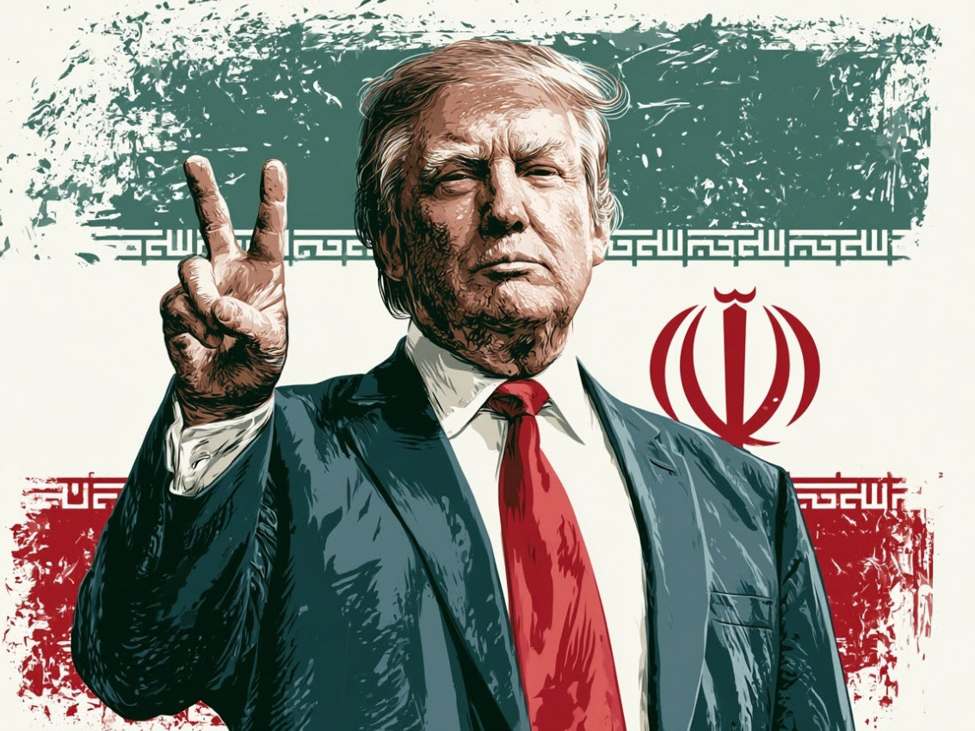
A memorandum of understanding (MoU) between the United States and Iran could be signed as soon as Sunday in Geneva, according to Bloomberg.
Trump unexpectedly called off planned strikes on Iran yesterday and instead announced that Washington had reached the framework of a deal with Tehran (which is exactly the same they’ve been negotiating on for months).
Under the proposed MoU, the US would commit to lifting its naval blockade around Iran, likely within a defined timeframe tied to implementation benchmarks. In exchange, Iran would reopen the Strait of Hormuz and restore shipping conditions to pre-war levels within 30 days, removing one of the biggest supply-side threats facing global energy markets.
The Hormuz reopening is the most immediate macroeconomic consequence of the deal as it influences inflation expectations, rate hike pricing and growth outlooks. With shipping flows potentially normalizing over the next month, markets will likely continue to price out the aggressive rate hike expectations.
That matters especially for the Federal Reserve. The prolonged elevated oil prices and strong US data had raised fears that the Fed would be forced to raise interest rates to lean against inflation risks. The mere expectation of a restoration of normal traffic in the Strait of Hormuz would substantially reduce oil prices and inflation fears.
In the short-term, this is very positive for the global economy as rate hike bets get pared back, inflation worries ease and growth outlook improves. Risk assets are likely to benefit from this backdrop.
The problems might come later as this negative supply shock could turn into a strong positive demand shock where we get a boost to economic activity amid easing financial conditions and increased spending. That could eventually require rate hikes anyway, especially in the US, but that will need to be confirmed by the data in the next months. For now, the markets can celebrate…





Leave a Reply