
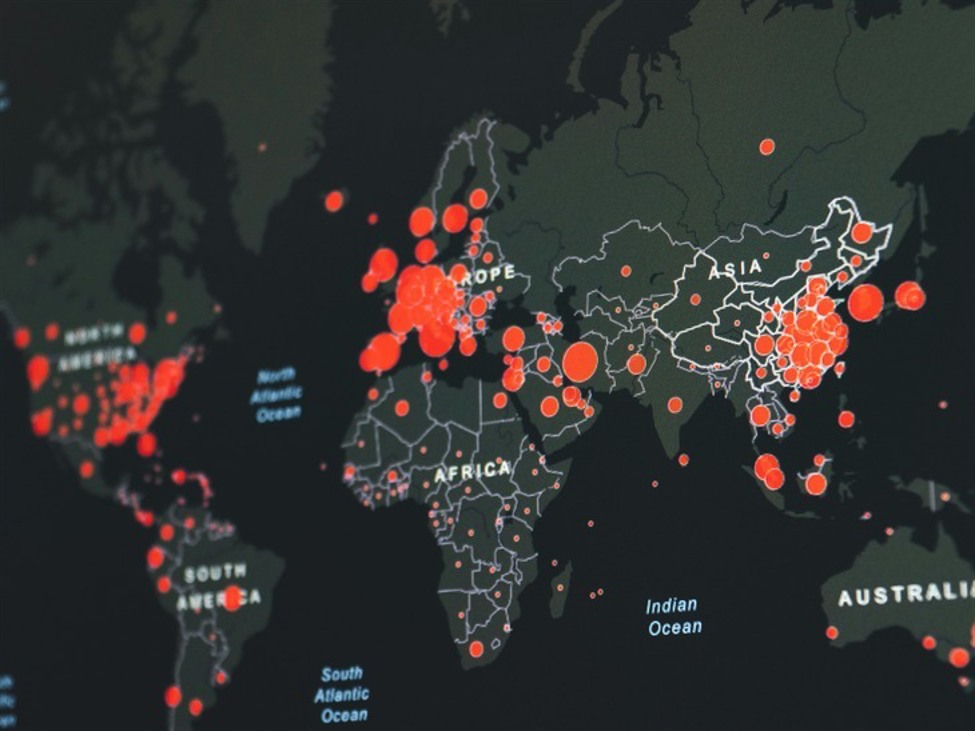
Ever since COVID, the media has been quick to jump on any new disease outbreak, trying to catch the beginning of the next global pandemic. In 2024, the bets were on a mutated monkeypox virus, following a rise in infections and deaths. Some governments even floated the idea of closing airports to prevent the virus from crossing borders.
Fortunately, things never came close to the scale of COVID, so no global lockdowns were needed. The S&P 500 and Nasdaq barely even blinked, largely because the world already had an effective vaccine against mpox — JYNNEOS, the first FDA-approved vaccine from the Danish biotech company Bavarian Nordic, whose shares jumped more than 30% in just a few days due to the surge in demand.
Now, two years later, panic is building around hantavirus. Even though infectious disease experts — including officials from the World Health Organization — say there’s no evidence of widespread transmission and no reason for quarantines, the media is closely tracking the passengers of the now-infamous expedition ship MV Hondius, where three people died and at least seven others fell ill.
The bad news is that the Andean strain detected among passengers is estimated to have a fatality rate of between 20% and 40%. The good news is that, unlike COVID-19, hantavirus is not generally transmitted through the air. This means the risk of it becoming a global pandemic remains relatively low, unless, of course, a new airborne strain emerges.
To put this in context, between 1996 and 2023, the world recorded more than 3,000 outbreaks. Imagine what would happen to the global economy if governments responded to each one by closing borders and imposing lockdowns.
So, is it time to load up on pharma names and stay-at-home stocks?
Probably not, since the risk of a new pandemic remains low. As for last week’s rally in vaccine manufacturers like Moderna, Novavax, and Inovio, it seemed more like short-term speculation.
Right now, the market is paying much closer attention to developments surrounding the Strait of Hormuz and the future of the AI sector. If geopolitical tensions escalate — for example, if Iran attempts to block the Bab el Mandeb Strait — or if massive investments in AI fail to generate significant returns, the impact would likely be far greater than another wave of headlines about the hantavirus.
For now, though, judging by the major indexes, investors are still betting on the best-case scenario.



Leave a Reply