

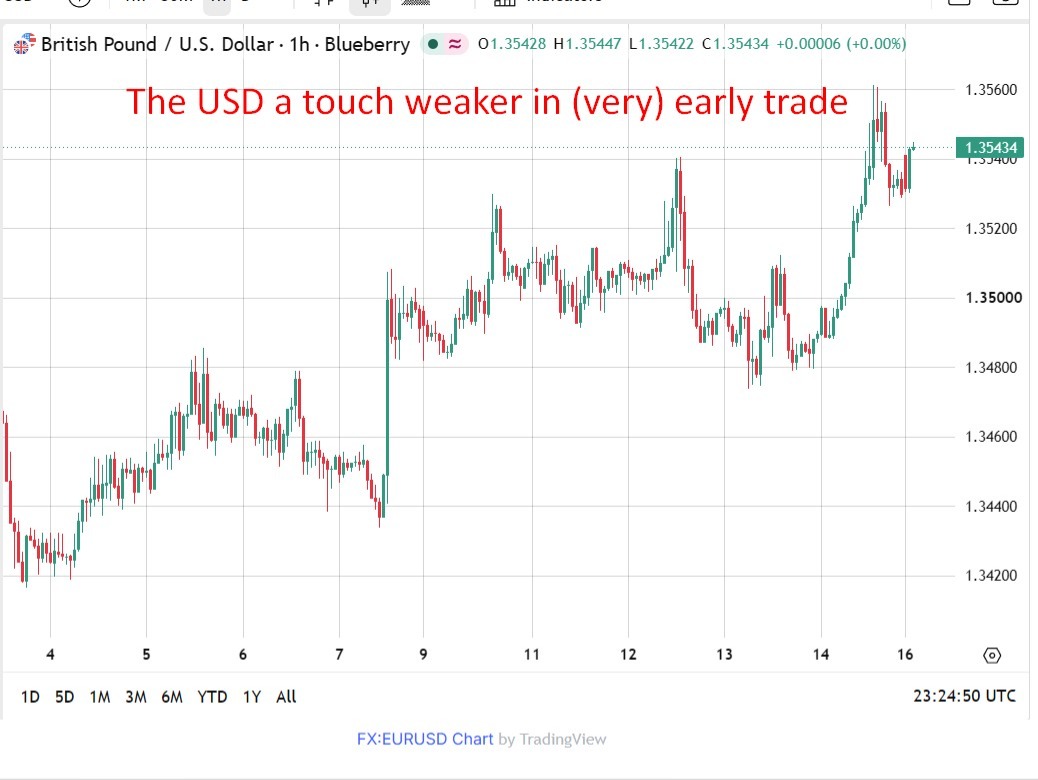
The combination of a sharper than usual seasonal drop in asking prices and employers holding firm on both hiring and firing adds to the case for a cautious Bank of England, which has kept rates on hold since December 2025. Weak housing momentum alongside soft hiring intentions points to a consumer backdrop that remains fragile, a dynamic likely to weigh on sterling and keep gilt yields anchored to dovish rate expectations into official labour data due Tuesday. The London-versus-north divergence in house prices also reinforces a narrative of an economy healing unevenly rather than broadly, which could complicate the BoE’s read on underlying demand. Markets are likely to treat both data points as reinforcing rather than new information, given confidence readings have sat near post-pandemic lows for some time.
—
Britain’s housing market and labour market are both losing momentum at once, sharpening the case for a cautious Bank of England.
Summary:
- Rightmove reported UK asking prices fell 2.0% in the four weeks to August 8, sharper than the 10-year average August fall of 1.3% and the steepest since 2018, with prices down 1.0% year on year.
- London posted the sharpest annual price fall at 3.1%, while prices in the north of England continued to rise, and Rightmove cut its 2026 price growth forecast to flat or as much as a 2% fall.
- Buyer demand rose 5% since Prime Minister Andy Burnham took office on July 20 but remained 10% below year-ago levels, while the average two-year fixed mortgage rate rose to 5.09% from 4.92%.
- A separate CIPD survey found UK employer confidence near its weakest levels outside the pandemic, with the net employment balance holding at plus 9 and private-sector hiring intentions at plus 11, both close to record lows outside the pandemic.
- Only 57% of private-sector employers plan to recruit in the next three months, a joint post-pandemic low, though redundancy levels have not risen, prompting the CIPD to describe a “low-hire, low-fire” labour market.
- Median expected pay rises held at 3% for more than two years, with 31% of employers reporting hard-to-fill vacancies and 14% expecting significant recruitment difficulties over the next six months.
Britain’s economic soft patch deepened on Monday, with fresh data pointing to a housing market under pressure and a labour market still reluctant to hire. According to Rightmove, average asking prices for newly listed homes fell 2.0% in the four weeks to August 8, a sharper drop than the 10-year average August fall of 1.3% and the steepest such decline since 2018. On an annual basis, asking prices were down 1.0%, the biggest yearly fall since December 2023, with London leading the decline at 3.1% even as prices in the north of England continued to rise. A summer slowdown and a 12-year high in the number of homes for sale weighed on the market, though buyer demand did pick up 5% following Prime Minister Andy Burnham’s arrival in office on July 20, even as it remained 10% below year-ago levels. The average two-year fixed mortgage rate climbed to 5.09% from 4.92% a month earlier, prompting Rightmove to cut its 2026 price growth forecast to a range of flat to a 2% decline, citing geopolitical uncertainty, higher mortgage rates and October’s budget as key risks.
Separately, a survey from the Chartered Institute of Personnel and Development showed British employers remain stuck in a low-hire, low-fire pattern, with confidence near its weakest levels outside the pandemic. The CIPD’s net employment balance held at plus 9, close to its lowest level outside the pandemic, while private-sector hiring intentions stayed at plus 11, matching a record low outside the pandemic era. Just 57% of private-sector employers plan to recruit in the next three months, also a joint post-pandemic low, though redundancy levels have not risen, prompting the CIPD to describe the labour market as low-hire, low-fire rather than one shedding jobs outright. Median expected pay rises held at 3% for more than two years, while 31% of employers reported hard-to-fill vacancies and 14% expect significant recruitment difficulties over the next six months. The CIPD called for lower hiring costs and greater support for youth employment.
Together, the two surveys land a day ahead of official labour market data and add to the picture the Bank of England is weighing as it considers its next move on interest rates, which have been on hold since December 2025.
—
Still a month out from the next meeting for the Bank of England:



Leave a Reply